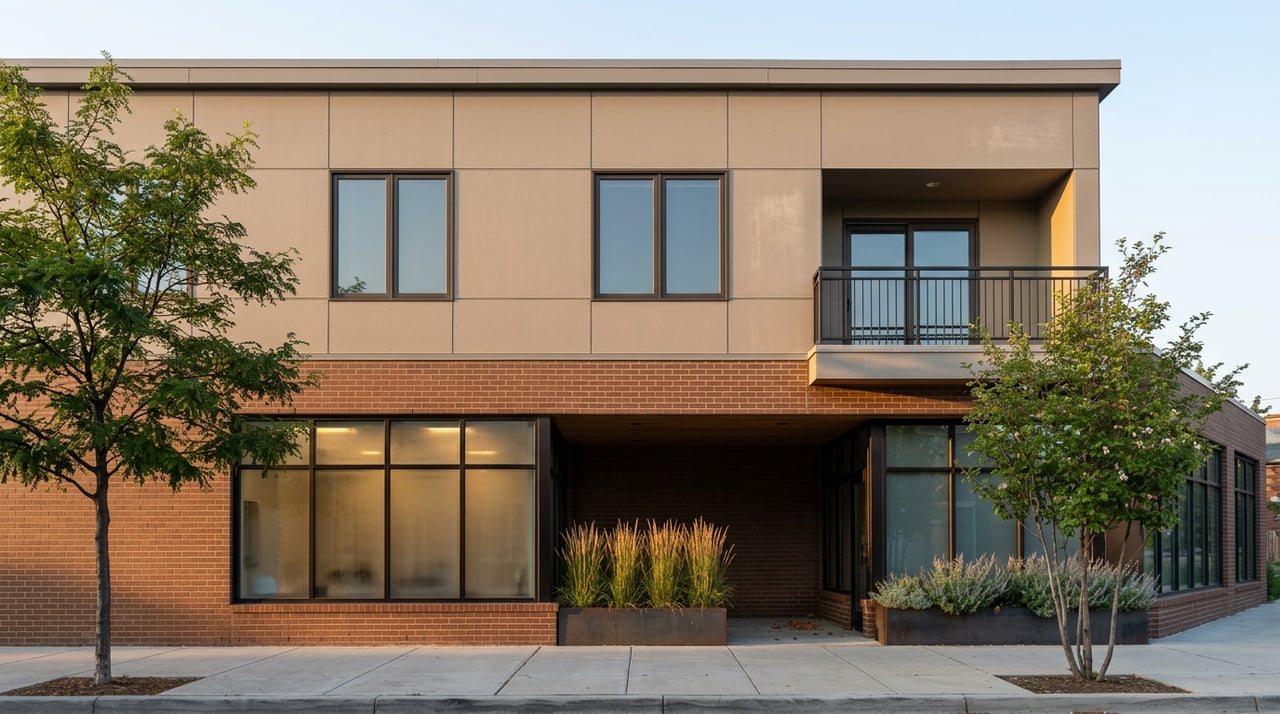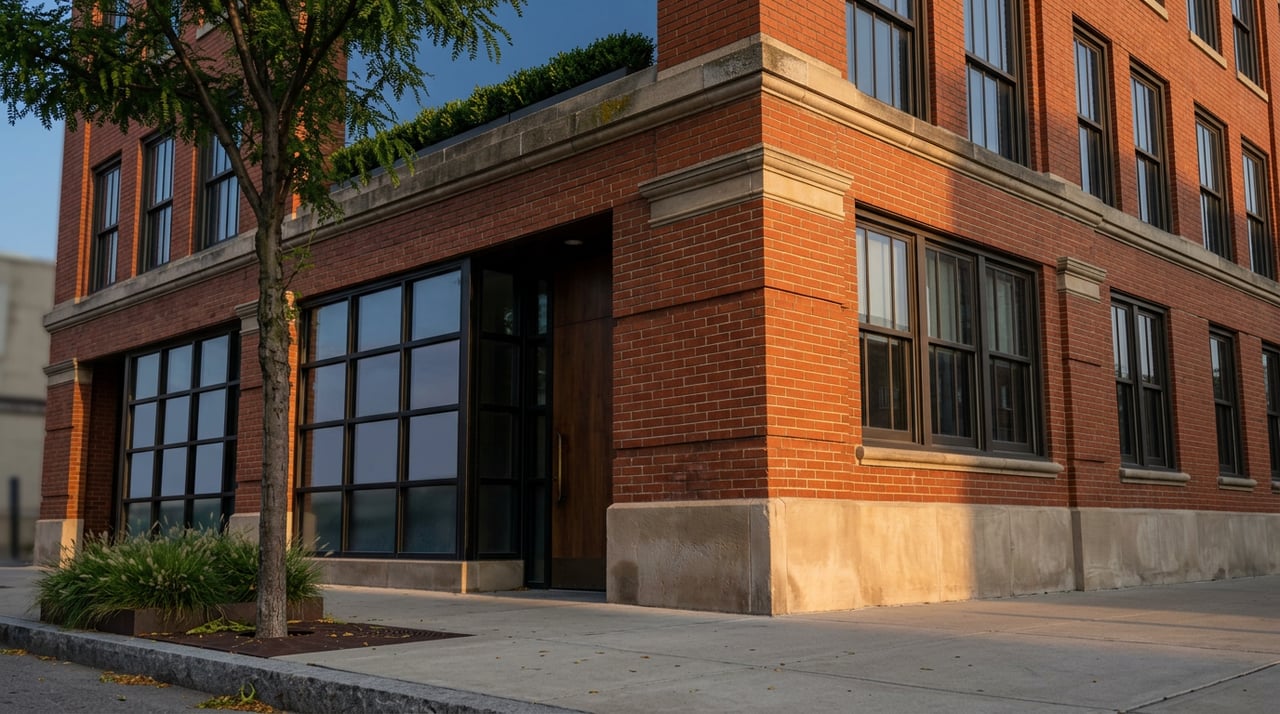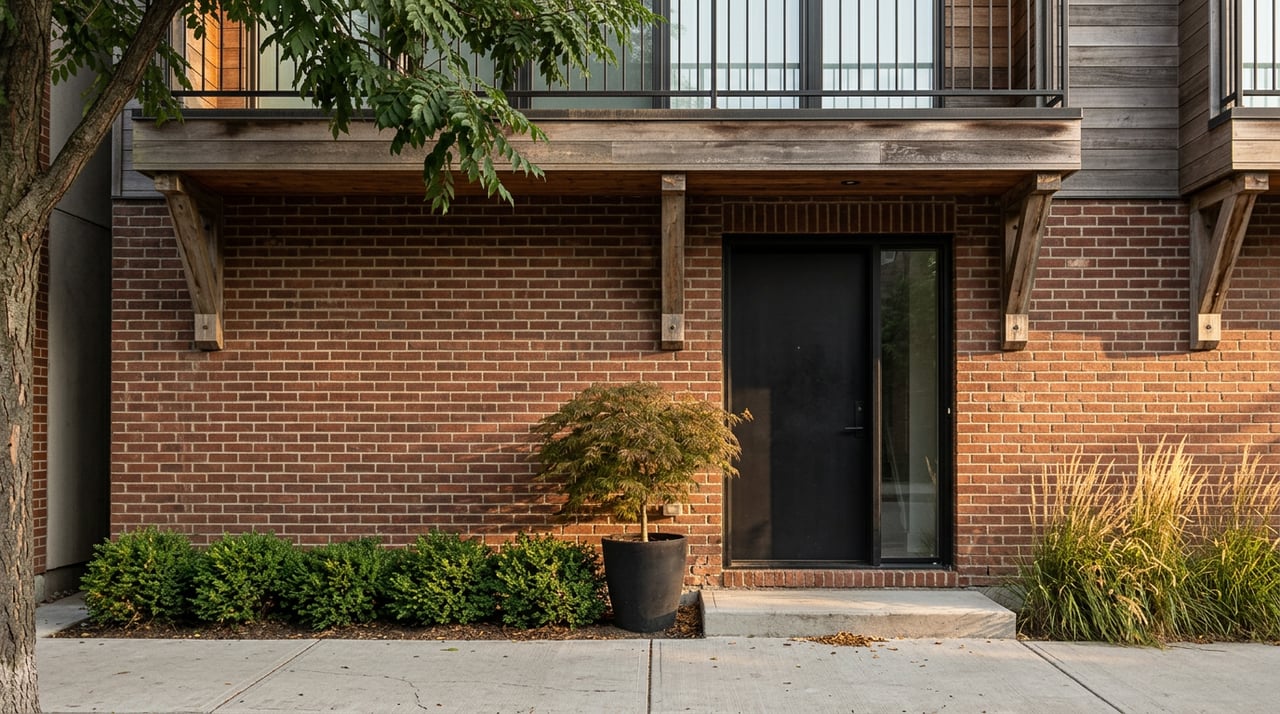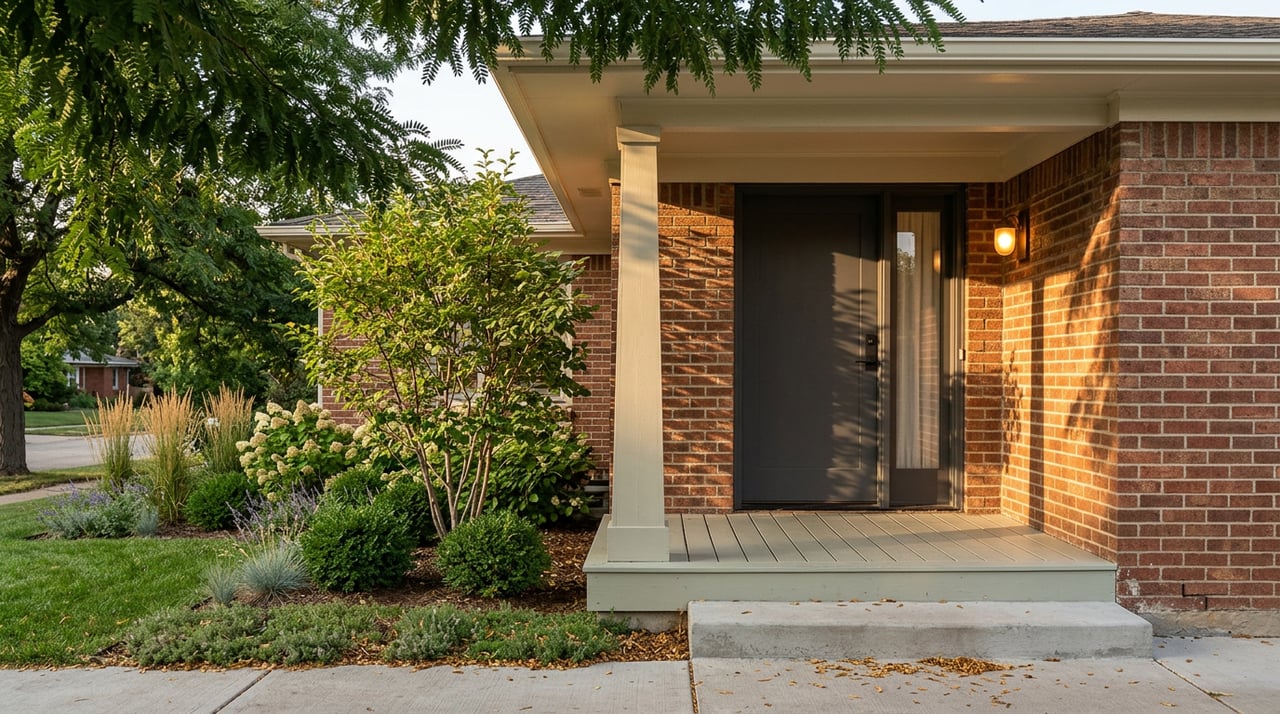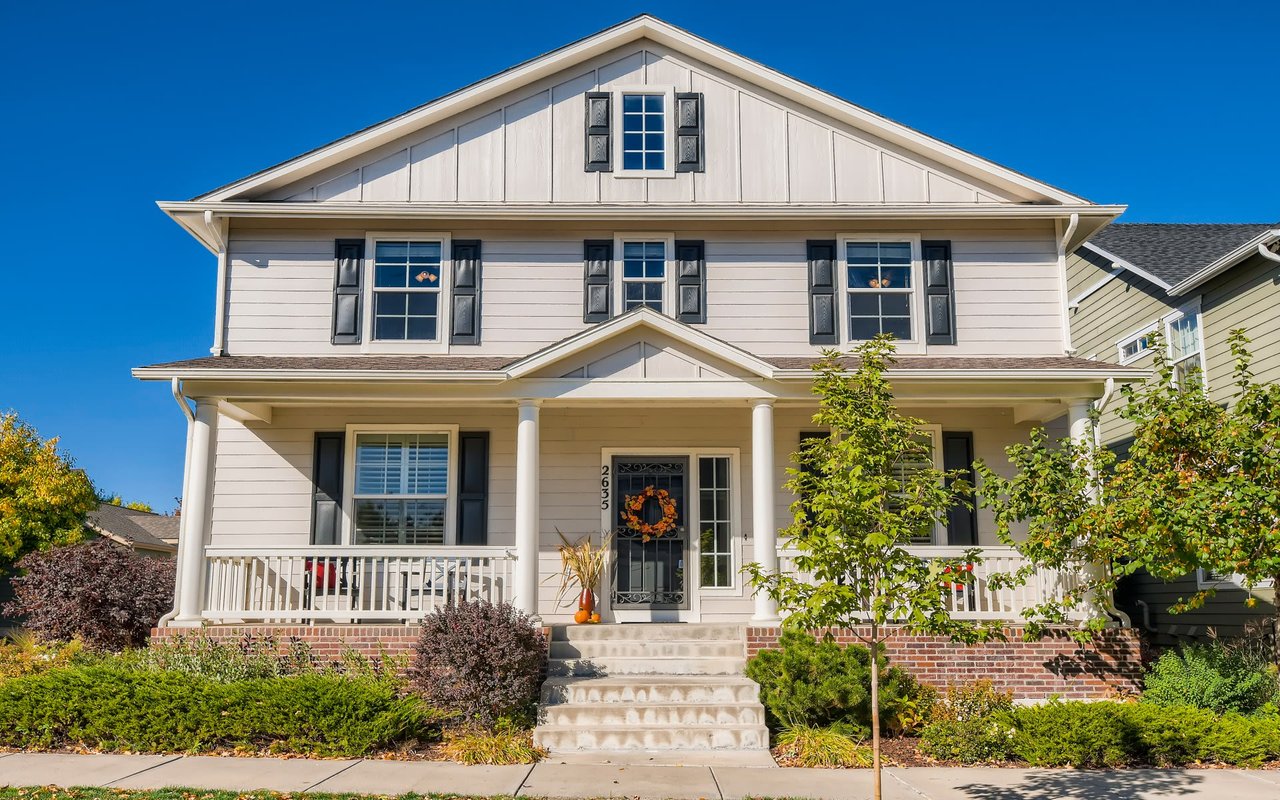
Thinking about offsetting your mortgage near Sloan’s Lake? It can be a smart way to enter one of Denver’s most lifestyle-driven neighborhoods, but it is not a market where you want to wing the numbers or assume a property can be rented the way you hope. If you are exploring your first house-hack here, this guide will help you understand what works, what Denver allows, and what to check before you write an offer. Let’s dive in.
Why Sloan’s Lake attracts house-hackers
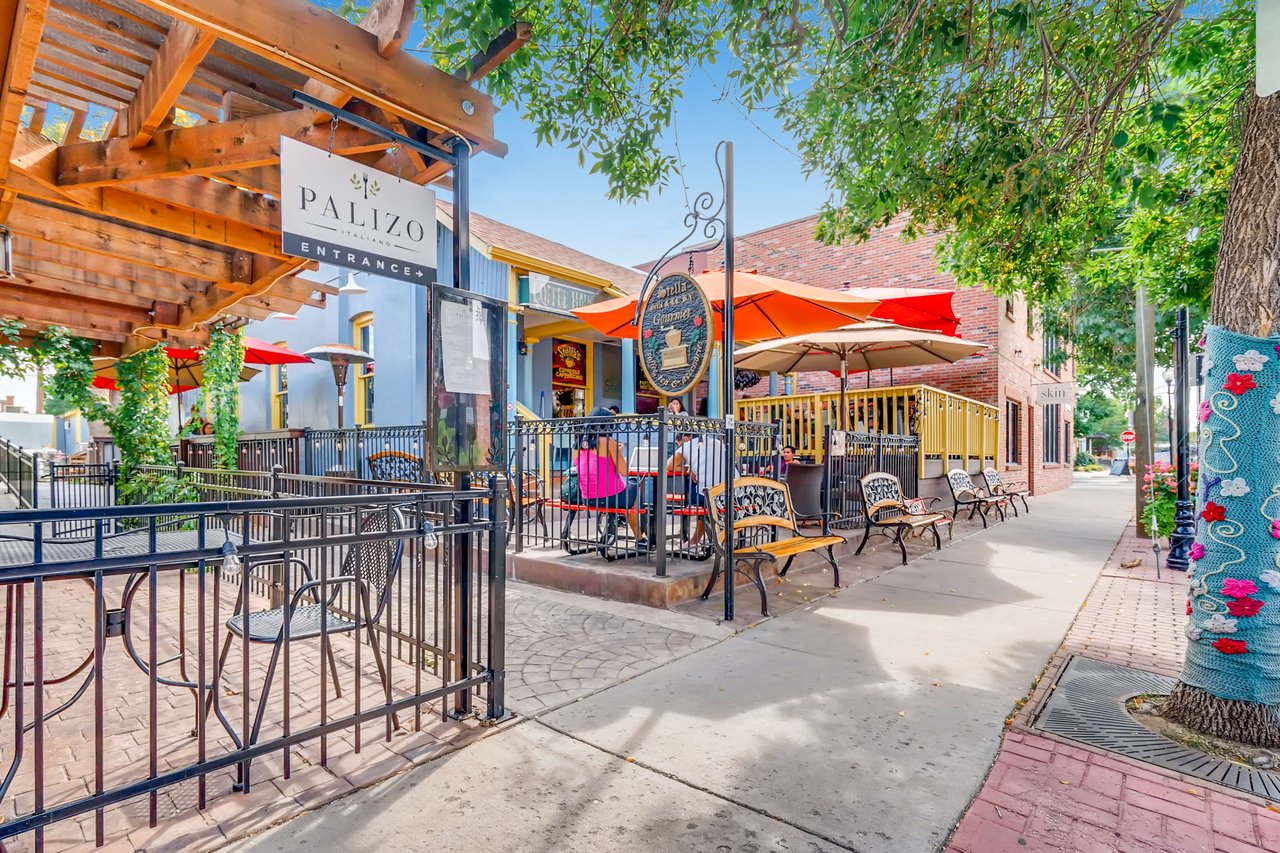
Sloan’s Lake offers a mix that appeals to both owner-occupants and renters. Visit Denver describes Sloan’s Lake Park as the city’s second-largest park and home to its largest body of water, with 290 acres and a 2.6-mile paved loop for walking, running, and cycling. The surrounding area also puts you close to dining and coffee corridors near West Highland, Jefferson Park, and Edgewater.
That lifestyle appeal matters when you are house-hacking. If you plan to rent out a room, a basement suite, or another unit, location can support steady interest. In Sloan’s Lake, the draw is not just the home itself, but also the daily convenience and access to the lake, trails, and nearby neighborhood amenities.
The catch is the price point. Zillow’s Sloan Lake Home Value Index shows an average home value of $815,640 as of April 30, 2026, with 46 homes for sale and a median list price of $817,583. That means this is generally a high-entry-cost market, so your rental income needs to make a real difference in your monthly carrying costs.
Start with the right house-hack strategy
Not every house-hack setup fits Sloan’s Lake equally well. In this area, the best path often depends on your budget, your tolerance for project work, and how much separation you want between your living space and your rental space.
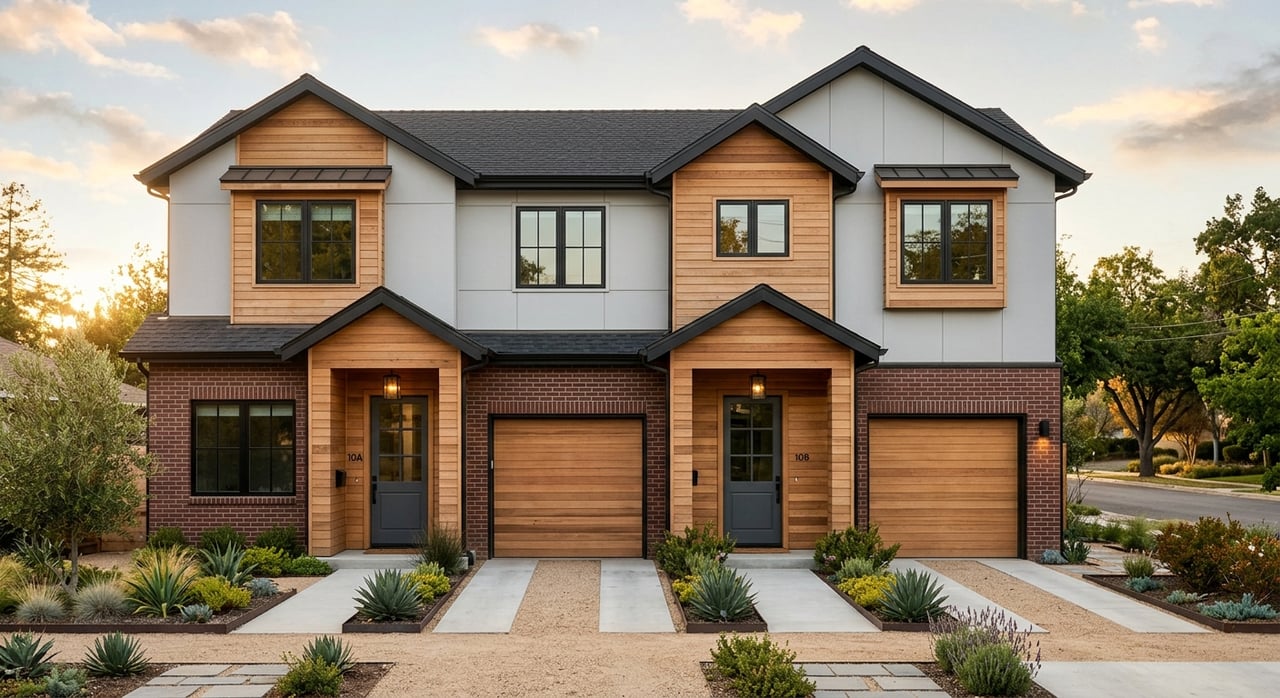
Owner-occupied duplex or rowhouse
This is often the cleanest setup if you can find one that works financially. You live in one unit and rent the other, which gives you clear separation and a straightforward use case. It can also be easier to evaluate because the rental component is already built into the property.
Denver’s ADU rules also note that a primary duplex or rowhouse unit can have one detached ADU where allowed, but each primary dwelling unit is still limited to one ADU. If you are considering a property with future expansion potential, that detail is worth checking early.
Single-family home with a legal suite or ADU
This can offer the best lifestyle balance if you want privacy and long-term flexibility. A legal basement suite or backyard ADU may create a more independent rental setup than simply sharing a home with a roommate. It can also make the property more versatile over time.
That said, this is also the most rule-sensitive route. Denver requires ADUs to be self-contained with their own kitchen, bathroom, and sleeping area, and they must go through zoning, building, and sewer or drainage permits before occupancy. They also need their own address, must be built by a licensed contractor, and require a certificate of occupancy before someone can live there.
Roommate-friendly floor plan
For many first-time buyers, this is the simplest entry point. If you live on-site and rent a room that does not have its own kitchen and bathroom, Denver says you do not need a residential rental property license. That can make this option more approachable if you want income without taking on the complexity of creating a separate legal unit.
In Sloan’s Lake, this strategy can be especially practical. You still get the neighborhood lifestyle, and you can reduce your monthly costs without jumping straight into a renovation or a more regulated rental setup.
Short-term rental approach
This is usually the least straightforward option for a first-time house-hacker in Denver. The city defines a short-term rental as 1 to 29 days and requires the property to be the host’s primary residence. The city also does not provide pre-approval, so you should not assume you can buy first and sort out the license later.
If your primary goal is stable monthly offset, a long-term rental plan is usually more predictable. Short-term rental income may look appealing on paper, but it should be treated as a secondary possibility until the licensing path is confirmed.
Denver rules you need to know first
Before you fall in love with a property, make sure your plan matches Denver’s current rules. This is where a lot of house-hack buyers either protect themselves or create avoidable problems.
ADUs are now broadly allowed
Denver’s citywide ADU update took effect on December 16, 2024, and the city says ADUs are now allowed in all residential areas. The city also notes that Colorado’s HB24-1152 requires ADUs in all residential districts where single-unit detached dwellings are allowed and overrides HOA rules that prevent them.
That is a major shift for buyers who want to add rental space later. It opens more opportunity across Denver, including around Sloan’s Lake, but it does not eliminate the need for property-specific due diligence.
Permit details still matter
Even with broader ADU access, not every lot is equally workable. Denver requires zoning, building, and sewer or drainage permits for an ADU, and only one ADU is allowed per primary dwelling unit. The city also says ADUs cannot use a separate driveway unless the access is new alley access.
There is another important wrinkle for buyers planning to add an ADU later. In single-unit zone districts, Denver says the owner must live in the main house when applying to build an ADU, unless the main house and ADU are being built at the same time. So if you are buying now with plans to add a basement suite or backyard cottage later, timing matters.
Long-term rentals usually need a license
Denver requires a residential rental property license for any building, structure, or ADU rented as a residence for 30 days or more. The license requires a passing inspection by a qualified third-party inspector and is valid for four years unless ownership changes.
There is one key exception that matters to many starter house-hackers. If you live on-site and rent a space or room that does not have its own kitchen and bathroom, Denver says you do not need the residential rental license. But if you rent out an ADU or a basement apartment with a separate entrance, kitchen, and full bathroom, the license is required.
Zoning and overlays can change the picture
For any specific address, Denver’s zoning research letters can confirm the zone district, applicable overlay districts, and whether a use is permitted. That matters because designated design review districts and historic districts can add extra standards and review for exterior alterations, additions, and new construction.
If your house-hack depends on building something new or altering the exterior, this is not a small detail. It is one of the clearest reasons to screen a property before you spend time and money building out a plan that may not fit the site.
Questions to ask before you make an offer
A good house-hack purchase starts with better screening. Near Sloan’s Lake, these are the questions that can help you separate a solid opportunity from an expensive headache.
- What is the property’s zone district, and is it in any overlay, parkway, or special district?
- If you want an ADU, does the lot support the needed access, setbacks, utilities, and permitted construction path?
- Is your income plan based on long-term rental use or short-term rental use?
- If the property is part of an HOA, have you reviewed the governing documents for any remaining operational rules?
- Does your plan still work if your living situation changes later?
These questions sound simple, but they can shape your entire buying strategy. In a neighborhood where values are already high, you want to confirm the rental plan before you rely on it in your budget.
What tends to work best near Sloan’s Lake
For most buyers, the most realistic starting point is an owner-occupied home with either a rentable room or a legal long-term suite. That approach tends to line up better with Denver’s rules and with the kind of stable monthly offset most first-time house-hackers want.
A full ADU strategy can absolutely be worth exploring, especially if you are planning for long-term flexibility. But around Sloan’s Lake, success usually comes from disciplined underwriting, clear permit research, and choosing a property that fits your real plan instead of a best-case scenario.
That is where local guidance becomes valuable. In a neighborhood like Sloan’s Lake, the details around zoning, lifestyle fit, future usability, and monthly numbers all matter at once. Working through those pieces before you buy can save you time, money, and stress.
If you are considering a house-hack near Sloan’s Lake, Kimber Ward can help you evaluate the property, the neighborhood fit, and the strategy with a practical, data-informed approach.
FAQs
What is house-hacking near Sloan’s Lake?
- House-hacking near Sloan’s Lake usually means buying a home, living in part of it, and renting out another room, suite, or unit to help offset your housing costs.
Does a Sloan’s Lake house-hack always need a rental license?
- No. Denver says owner-occupants who rent a room or space without its own kitchen and bathroom do not need a residential rental property license, but separate units such as ADUs or basement apartments generally do.
Can you build an ADU on a property near Sloan’s Lake?
- Denver says ADUs are now allowed in all residential areas, but each property still needs a site-specific review for zoning, permits, access, utilities, and any applicable overlay or design standards.
Is short-term renting easier than long-term renting in Denver?
- Usually not. Denver requires short-term rentals to be in the host’s primary residence and subjects them to a separate licensing process, so many buyers find long-term rental planning more straightforward.
Is Sloan’s Lake a cheap place to start house-hacking?
- Generally no. Zillow’s Sloan Lake data shows an average home value of $815,640 as of April 30, 2026, so buyers should carefully evaluate whether projected rental income meaningfully offsets monthly costs.