Trying to choose between a condo and a townhome in LoHi? You are not alone. In a neighborhood known for skyline views, restaurant-lined streets, and a mix of old and ultra-modern architecture, the right fit often comes down to how you want to live day to day, not just what looks best in photos. This guide will help you compare cost, lifestyle, ownership structure, and resale factors in Highlands and LoHi so you can make a smarter move with more confidence. Let’s dive in.
Why this choice matters in LoHi
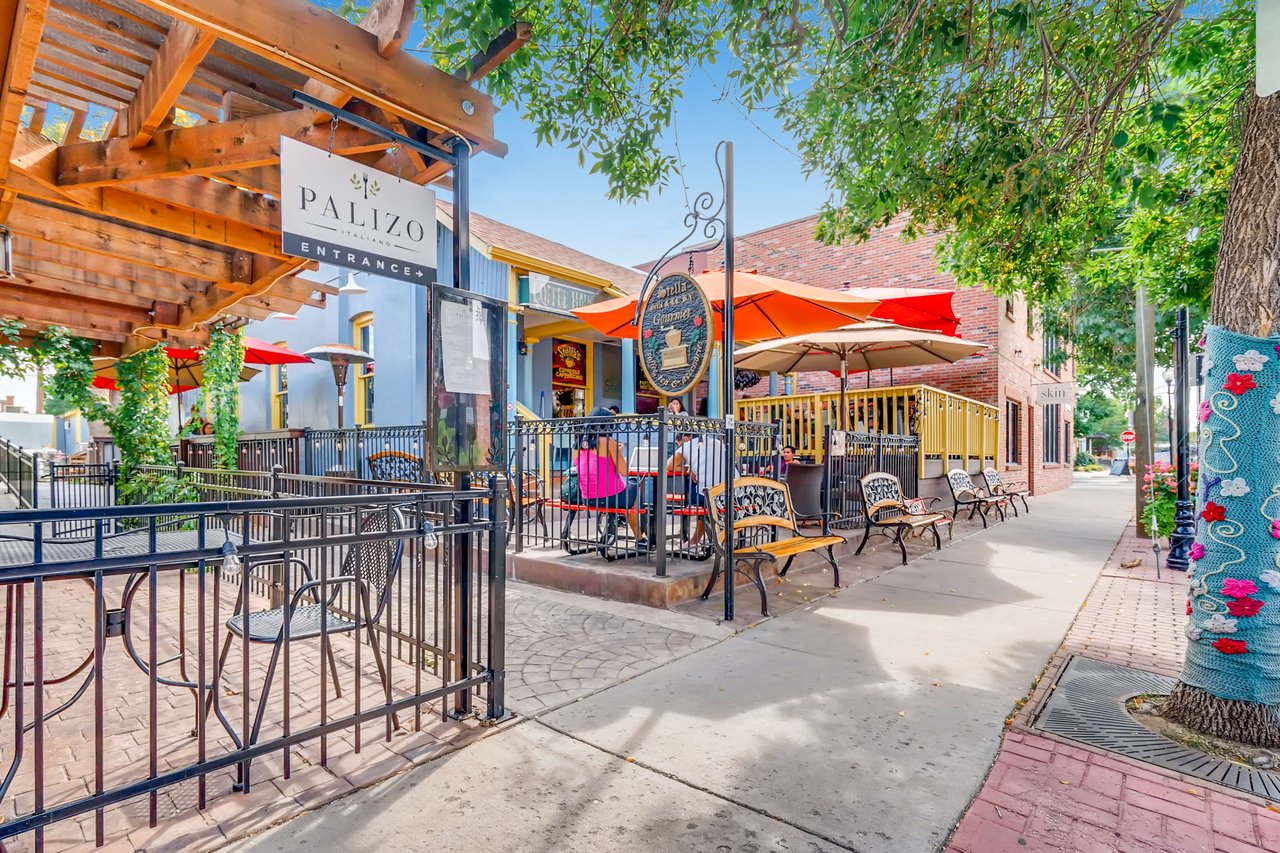
LoHi, or Lower Highlands, offers an urban lifestyle with easy access to dining, nightlife, and downtown views. According to Visit Denver’s Highlands neighborhood guide, the area blends historic character with modern development, which is part of what makes housing choices here feel so nuanced.
In other words, you are often not choosing between two completely different neighborhoods. You are choosing between two ownership styles inside the same highly sought-after area. That is why it helps to look beyond square footage and focus on how each option supports your routine, budget, and long-term plans.
LoHi market snapshot
Current pricing shows a clear gap between condos and townhomes in LoHi. As of February 2026, Redfin’s LoHi housing market data reports a median sale price of $751,500, with homes averaging 48 days on market.
Looking at current inventory, LoHi condos show 29 active listings at a median listing price of $595K. LoHi townhouses show 19 active listings at a median listing price of $1.03M. That suggests condos may offer a lower entry point, while townhomes tend to command a premium for features like garage space, private outdoor areas, and a more house-like layout.
Condo vs townhome in Colorado
Before you decide, it helps to know that in Colorado, the label on the listing is only part of the story. The real details come from the declaration, HOA documents, and governing rules that define who maintains what, how costs are shared, and what owners can change.
According to the Colorado Division of Real Estate’s HOA guidance, buyers should review governing documents carefully because common elements, repair responsibilities, voting rights, and assessment formulas can vary a lot from one property to another.
That matters in LoHi because two attached homes that look similar from the street may come with very different ownership structures. Some townhomes may have an HOA, while some current listings even advertise no HOA at all. A condo almost always involves more shared infrastructure and building-wide rules.
What a condo often means
A condo usually means you own the interior of your unit while sharing ownership of common elements like hallways, roofs, exterior walls, elevators, or garages. You will typically pay HOA dues, and those dues may cover some combination of maintenance, insurance, landscaping, trash, or snow removal.
For many buyers, that setup works well if you want a more lock-and-leave lifestyle. The tradeoff is that you may have less privacy and less control over exterior decisions.
What a townhome often means
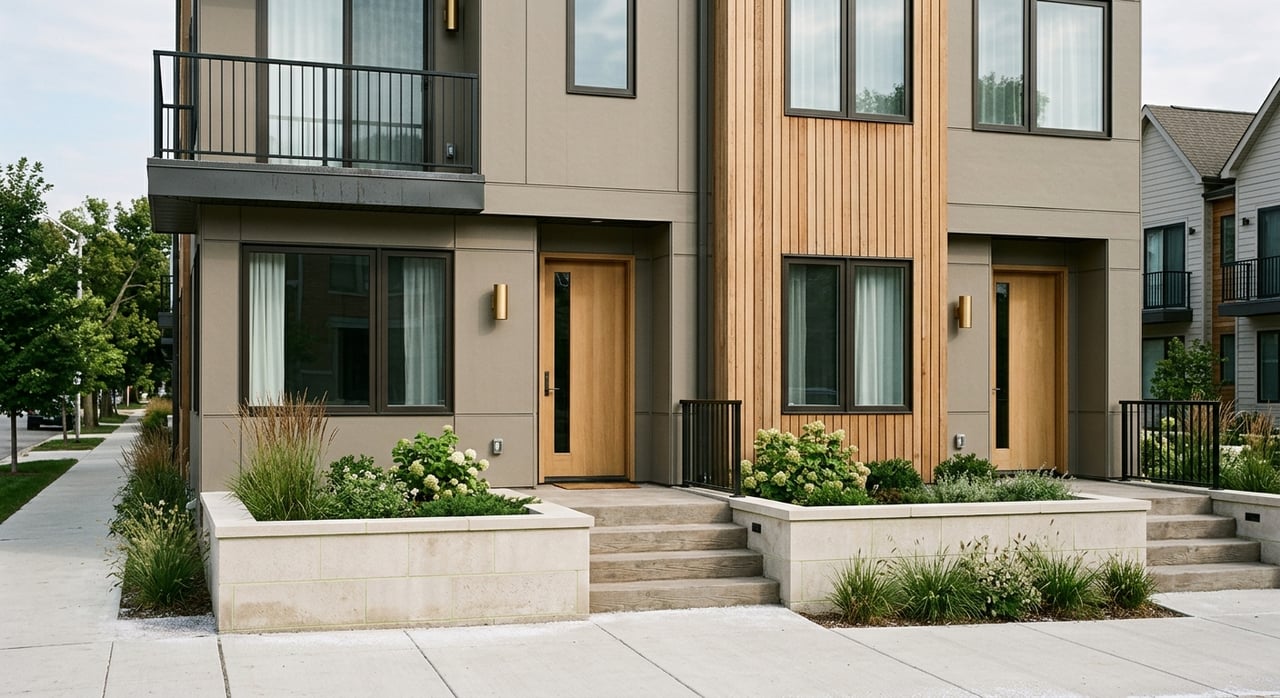
A townhome often feels more like a traditional home, especially in LoHi where listings frequently include multi-level layouts, attached garages, rooftop decks, or private patios. Depending on the property, you may still have an HOA, but ownership and maintenance responsibilities can differ from one townhome community to another.
That means you cannot assume all townhomes offer the same level of independence. You need to read the documents and understand exactly what you are buying.
How lifestyle fit differs
In LoHi, lifestyle tradeoffs are often more important than the property label itself. The area’s restaurant-heavy, view-oriented setting makes details like parking, privacy, and outdoor space especially important.
Privacy and day-to-day feel
Townhomes in LoHi are often marketed as a more private, house-like option. Current listings commonly highlight multi-level living and larger attached garages, including examples with two or three garage spots and even heated garages.
Condos, by contrast, are typically part of a larger building with more shared systems and common areas. If you want less shared infrastructure and a bit more separation from neighbors, a townhome may feel like the better fit.
Outdoor space
If private outdoor living matters to you, townhomes often stand out. Current LoHi townhome listings frequently feature rooftop decks, patios, and view-facing outdoor spaces that appeal to buyers who want fresh air without taking on a full yard.
That said, exterior features are not always unlimited. Denver’s conservation overlay and historic district materials show that some Highland-area overlays can limit exterior changes, rooflines, or rooftop deck options. If outdoor space is a major priority, confirm what is allowed before you fall in love with a floor plan.
Parking and storage
Parking can be a major deciding factor in LoHi. Townhomes often advertise two or three garage spaces, which can be a big advantage if you have multiple vehicles, outdoor gear, or want extra storage.
With condos, parking may be more limited and the details matter. Be sure to ask whether the space is deeded, assigned, or simply available through the HOA, because those differences can affect both convenience and resale.
Noise and street activity
LoHi is known for active commercial corridors, rooftop dining, and close proximity to downtown. Homes near busier streets may feel more energetic, while homes on quieter side streets may feel more removed from the action.
This applies to both condos and townhomes, but condo buyers should also remember that HOA rules can address noise, parking, and nuisance issues. If you are sensitive to activity levels, your exact block and building may matter as much as the home type.
Costs beyond the purchase price
The list price is only one part of the equation. HOA structure, maintenance obligations, and insurance considerations can have a real impact on monthly cost and long-term ownership.
Colorado’s HOA resources note that regular assessments may fund maintenance, landscaping, insurance, legal fees, and registration costs. They also note that special assessments can be used for major repairs, reserve funding, or unexpected expenses.
For attached homes, insurance and maintenance diligence matter even more. The Colorado Division of Real Estate notes that associations will often need to handle claims after hail, accidents, or damage affecting common elements. That is one reason the financial health of the HOA is such an important part of your decision.
What to review before you buy
If you are deciding between a LoHi condo and townhome, ask for documents early. The Colorado homebuyer HOA guidance recommends reviewing budgets, reserve information, governing documents, and meeting minutes before closing.
Use this checklist as you compare options:
- What does the HOA cover, and what is excluded?
- Are there any planned or possible special assessments?
- How strong are the reserves and overall finances?
- Who handles roof, exterior, and common-area repairs?
- Is parking deeded, assigned, or subject to HOA rules?
- Are rooftop decks, patios, or exterior changes allowed?
- Is the property in a historic district or conservation overlay?
- How do the building rules affect noise, pets, parking, or exterior use?
Which option may fit you best
There is no universal winner in LoHi. The better choice depends on what you want your daily life to look like and how much flexibility you want over your space.
A townhome may fit best if
- You want a more house-like feel
- Private outdoor space is a priority
- You need attached garage parking or extra storage
- You are comfortable with a higher price point for those features
- You want more separation from shared building systems
A condo may fit best if
- You want a lower entry point into LoHi
- A lock-and-leave setup appeals to you
- You are comfortable with shared maintenance and HOA management
- You do not need as much private outdoor space
- You want to prioritize location and convenience over extra square footage or garage capacity
Resale in Highlands and LoHi
Resale value in LoHi will likely depend on more than whether a home is labeled condo or townhome. In this market, factors like block location, floor plan, parking, outdoor space, HOA health, and overlay restrictions can all shape future appeal.
That is especially relevant in a market where pricing has softened year over year. With current conditions showing a lower median sale price and longer market time than the year before, buyers benefit from being selective and looking closely at the details that may hold value over time.
A smart purchase in LoHi is usually the one that balances your lifestyle now with flexibility later. When you choose based on both fit and fundamentals, you put yourself in a stronger position when it is time to sell.
If you are weighing condos versus townhomes in Highlands or LoHi, working with a neighborhood-savvy advisor can help you look past the listing language and focus on the real differences that affect value. Whether you are relocating, buying your first Denver property, or looking for a more design-forward urban home, Kimber Ward can help you compare options with a clear strategy and local insight.
FAQs
What is the main difference between a LoHi condo and a LoHi townhome?
- In LoHi, condos usually offer a lower entry price and more shared maintenance, while townhomes often provide a more house-like layout, more private outdoor space, and larger garage parking.
What should you review in HOA documents before buying in LoHi?
- You should review what the HOA covers, reserve funding, assessment history, meeting minutes, maintenance responsibilities, insurance obligations, and any rules about parking, noise, or exterior changes.
Are LoHi townhomes always more expensive than LoHi condos?
- Current listing data shows LoHi townhomes priced higher on average than condos, but the exact value of any property still depends on location, size, parking, outdoor space, condition, and ownership structure.
Can historic districts or conservation overlays affect LoHi properties?
- Yes. Some Highlands-area properties may be in historic districts or conservation overlays that can limit exterior changes such as rooflines, additions, or rooftop decks.
Is parking different in LoHi condos versus townhomes?
- Often, yes. Townhomes commonly offer attached garage parking, while condo parking may be deeded, assigned, or governed by HOA rules, so you should verify the details before buying.