Thinking about your next move in Berkeley? Whether you love a Craftsman porch, a storybook Tudor, a stately Denver Square, or a sleek modern build, the style you choose shapes how you live day to day, what you spend to maintain it, and how your home performs when you sell. If you’re weighing a renovation, holding for a few more years, or trading up, understanding style is your edge. In this guide, you’ll see how the most common Berkeley home types stack up for lifestyle fit, upkeep, and resale potential so you can make a confident plan. Let’s dive in.
Why style matters in Berkeley
Berkeley is a northwest Denver neighborhood known for early to mid‑20th‑century homes alongside newer infill. That mix means you often compare a period bungalow to a modern build on the same block. Buyers in urban neighborhoods value both historic character and modern comfort, so the best performers blend charm with updated systems and layouts. Lot potential also matters. Denver’s zoning and ADU allowances can increase a property’s upside, which is why two similar homes may trade at different prices based on development options.
Bungalows: cozy character with smart updates
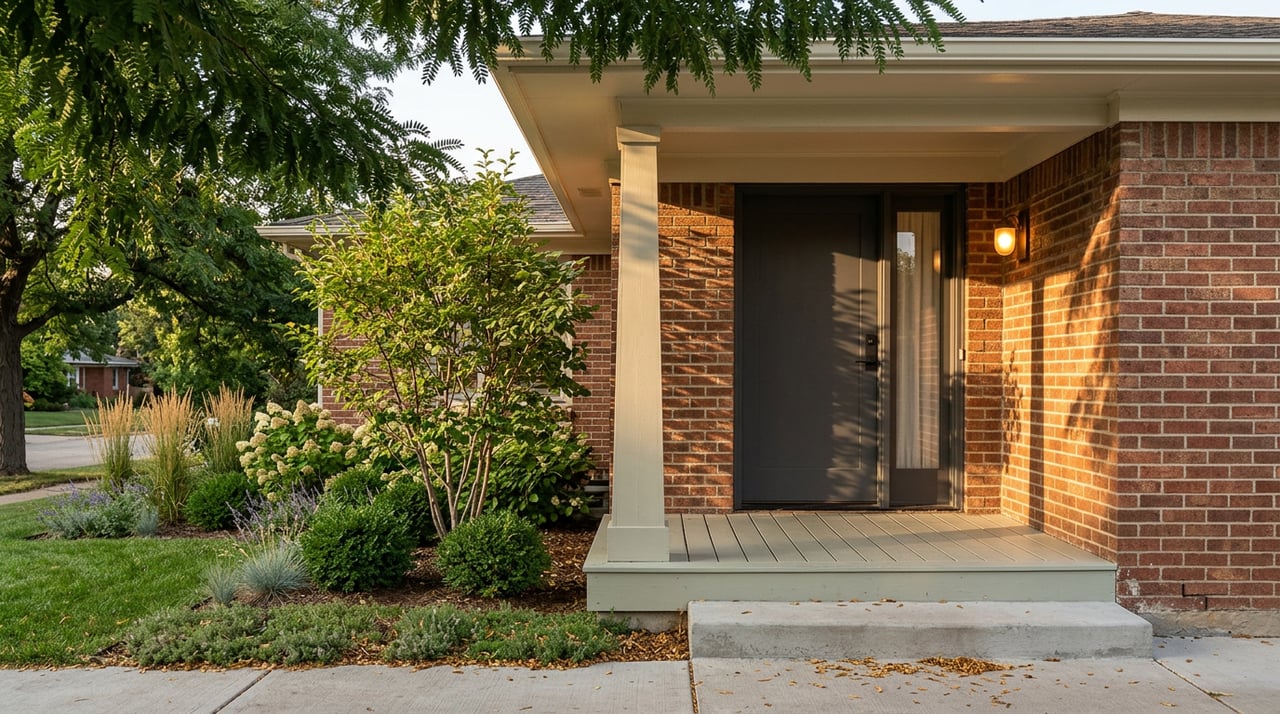
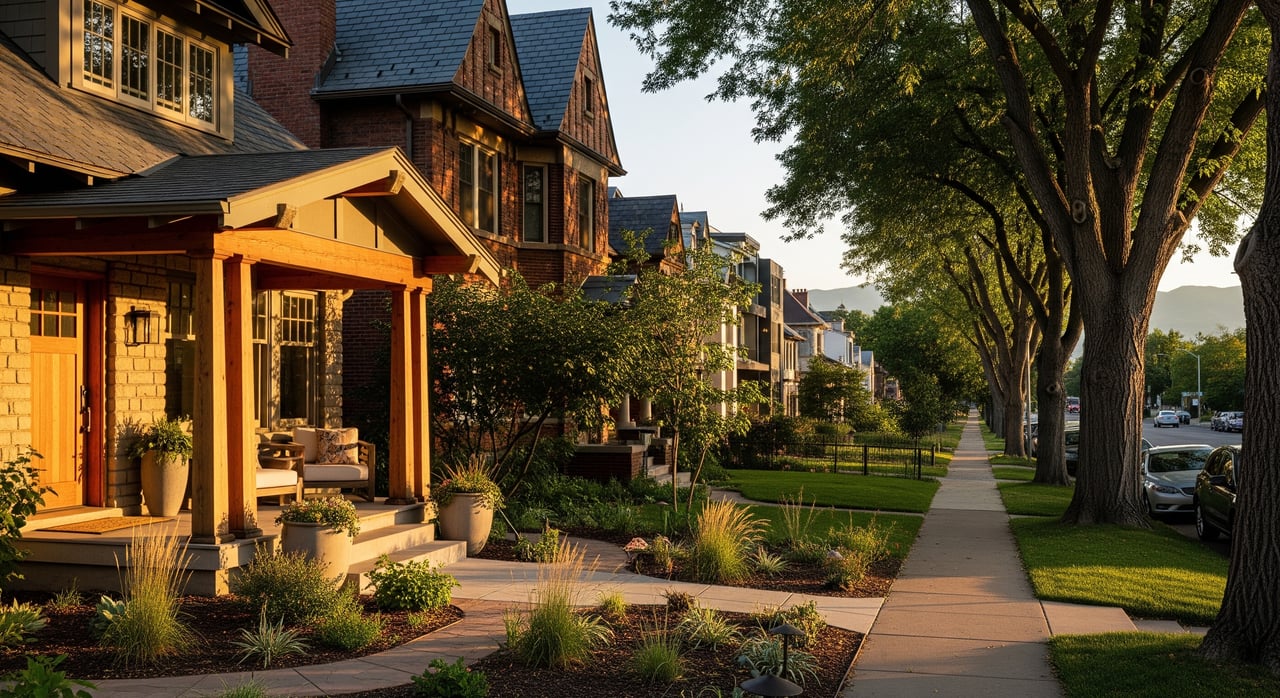
Bungalows in Berkeley date from about 1905 to 1930. You’ll see low rooflines, deep porches, and modest footprints. Inside, many have 2 to 3 bedrooms and a strong porch-to-living connection that suits the neighborhood’s walkable vibe.
Lifestyle fit
You get an intimate scale that works well for singles, couples, and small households. Original kitchens were compact. Many owners open walls or add thoughtful expansions to get better flow without losing charm.
Maintenance priorities
- Improve energy comfort with insulation, window upgrades, and updated HVAC.
- Check roof, porch framing, and waterproofing around basements.
- Preserve original floors and millwork where possible. Character restoration tends to boost perceived value.
Resale signals
Updated bungalows that keep exterior character and add modern systems tend to resell well. Because many are smaller, ceiling prices often track square footage unless you add livable area with a permitted addition or finished basement.
Tudors: storybook curb appeal, tailored modernization
Tudor Revival homes were popular from about 1915 to 1940. Expect steep roofs, masonry or stucco, and distinctive half‑timber details. Interiors often feature formal rooms, nooks, and built‑ins.
Lifestyle fit
You’ll likely find compartmentalized original layouts that many owners have reworked for flow. If you enjoy unique interiors with architectural texture, a Tudor can be a great match.
Maintenance priorities
- Inspect stucco or masonry, roof-to-wall transitions, and chimneys for moisture concerns.
- Plan for careful kitchen and bath reconfigurations. Structural work can be more complex.
- Evaluate historic windows and address any lead-based paint considerations typical of pre‑1978 homes.
Resale signals
Tudors are desirable for curb appeal. Sensitive updates that preserve the exterior while modernizing kitchens and baths tend to command a premium over similar‑sized, less distinctive homes.
Denver Squares: volume, flexibility, and upside
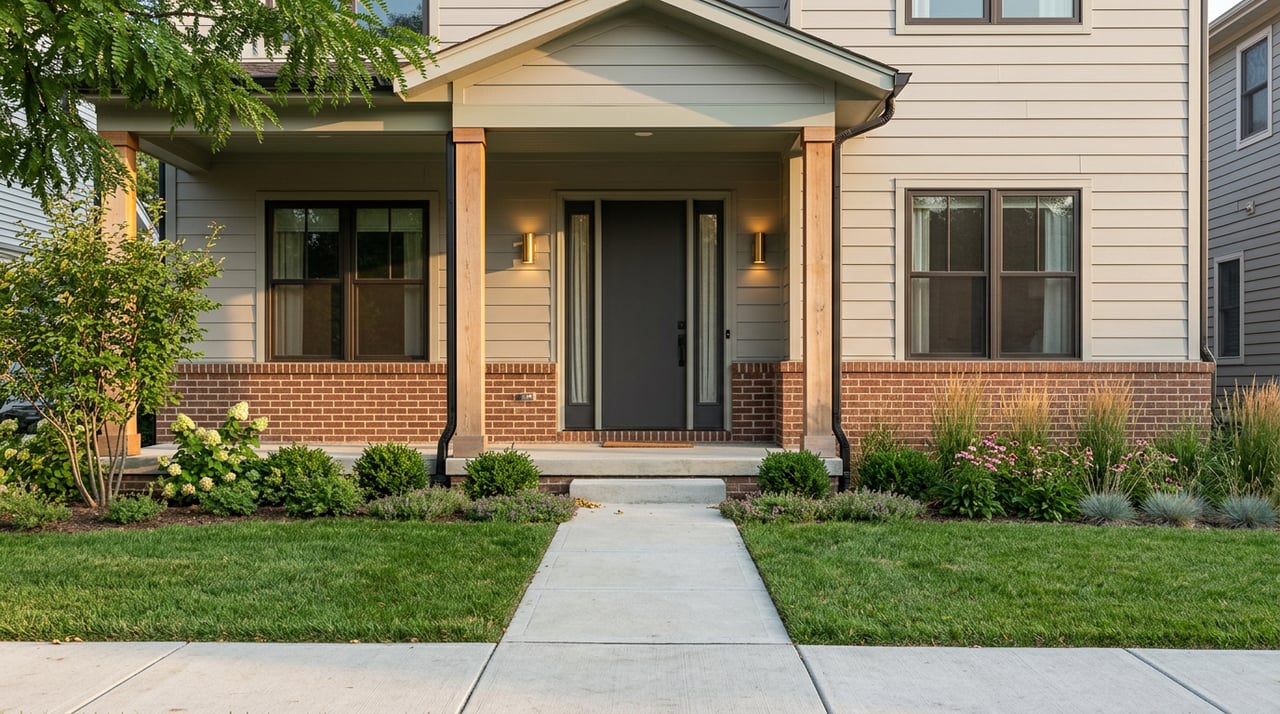
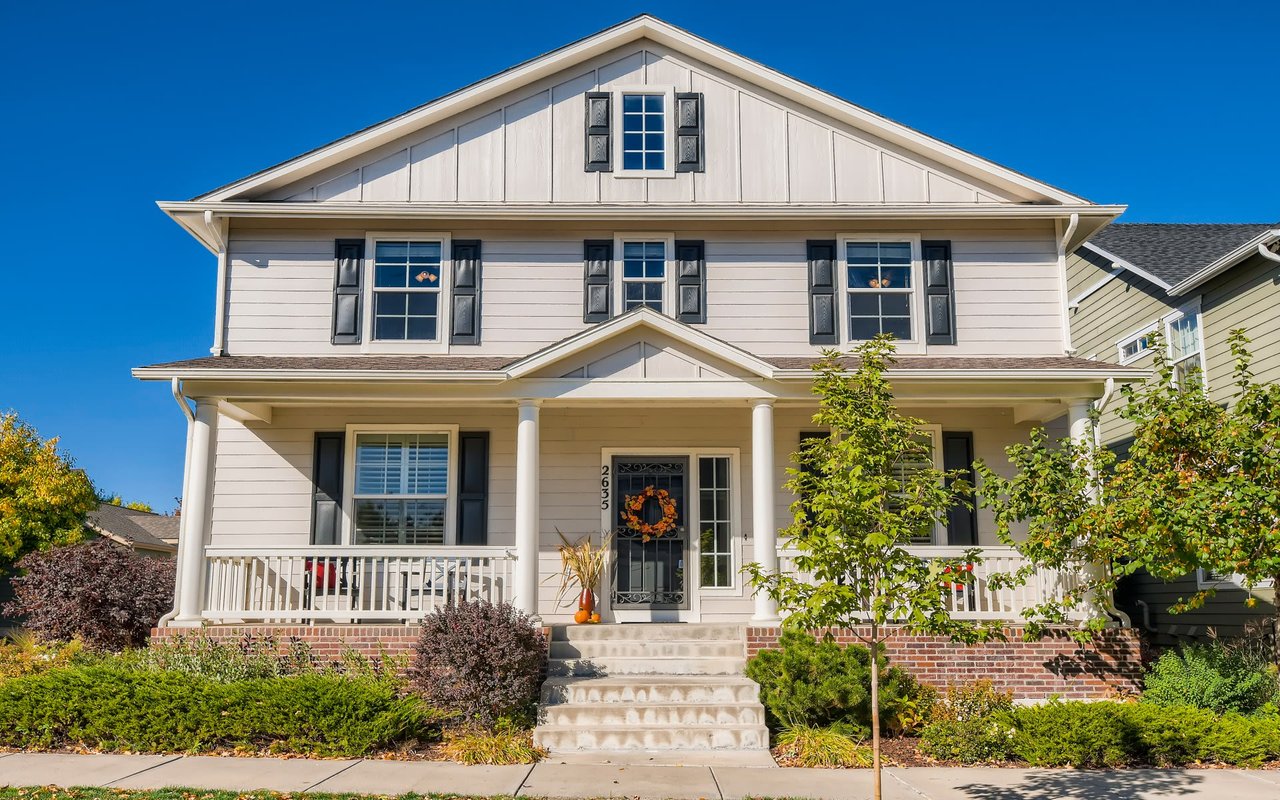
Denver Squares (circa 1905–1930) are boxy, two‑story homes with broad porches and balanced floorplans. They usually offer larger footprints and high ceilings, with basements that can add functional space.
Lifestyle fit
If you want room to grow, this style delivers more bedrooms and larger common areas after typical remodels. It suits households needing flexible rooms or a dedicated home office.
Maintenance priorities
- Budget for full mechanical upgrades during major renovations, including HVAC and ducting.
- Watch roof and gutter capacity on larger roofs.
- Consider basement finishing to unlock usable square footage.
Resale signals
Squares often sit at a higher price tier than bungalows because of size and expansion potential. Well‑executed updates, especially finished basements and modern kitchens/baths, tend to produce solid returns when aligned with neighborhood comps.
Modern and infill: open flow and low‑maintenance living
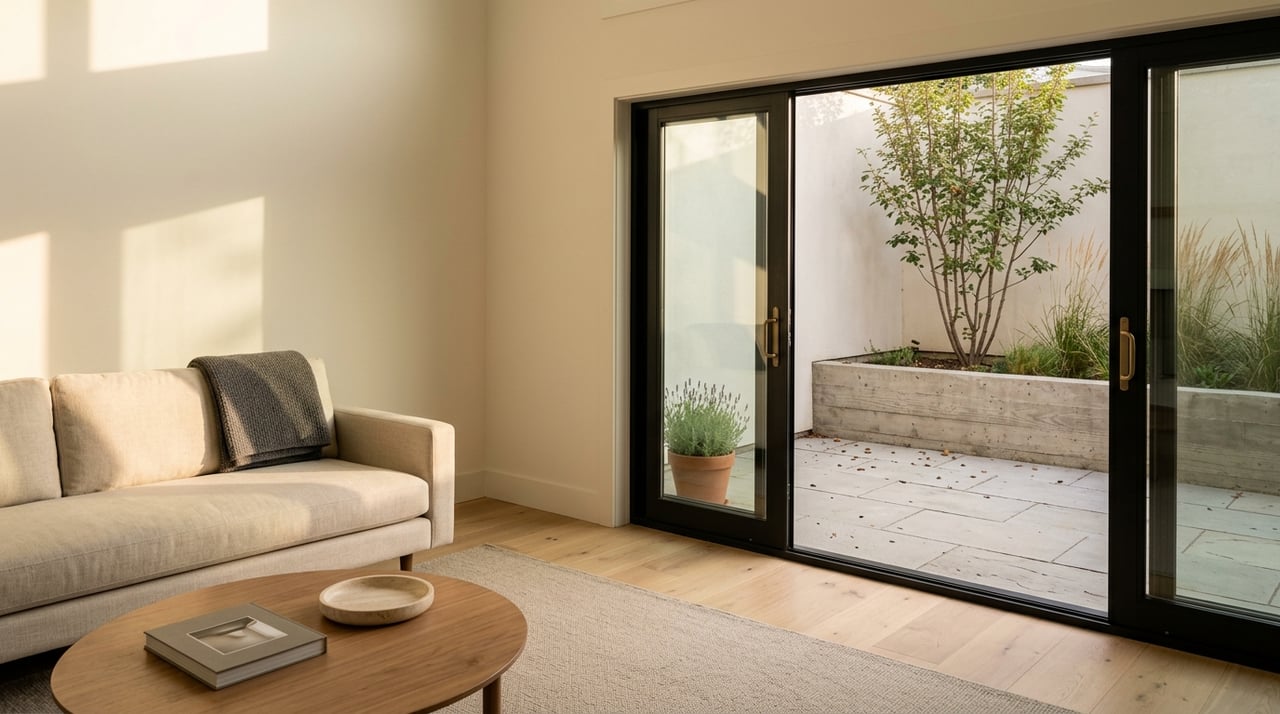
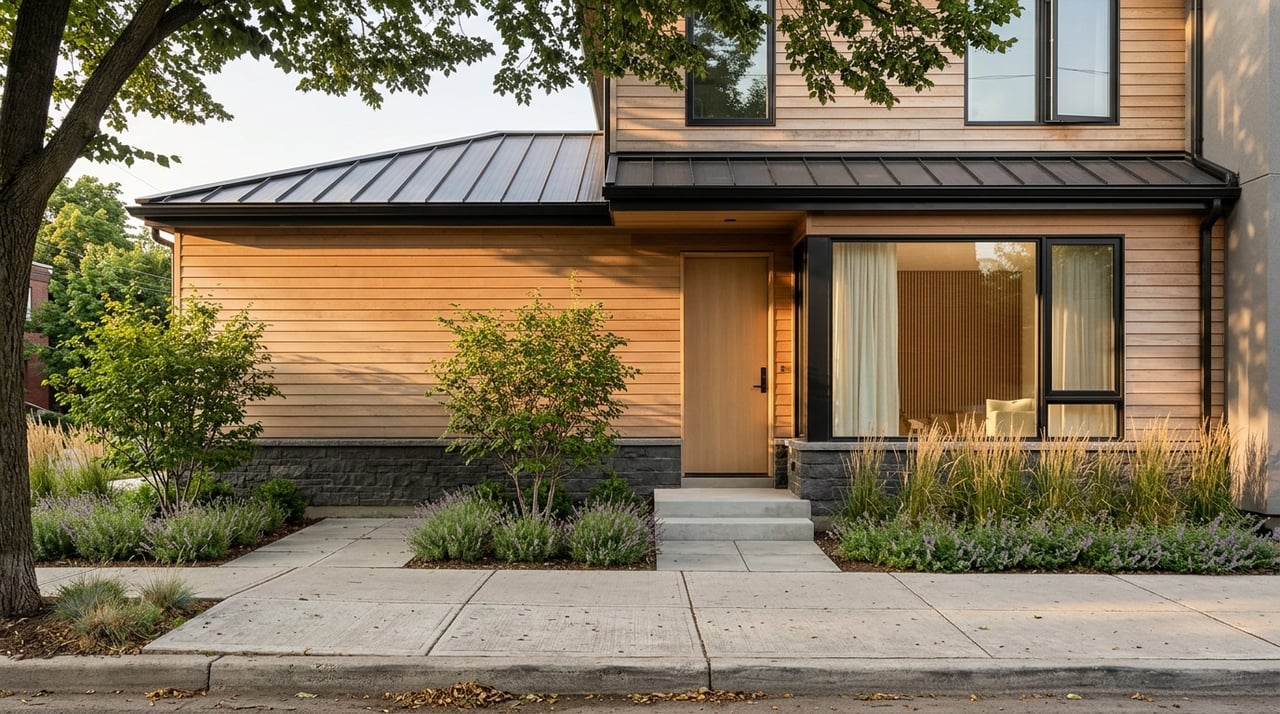
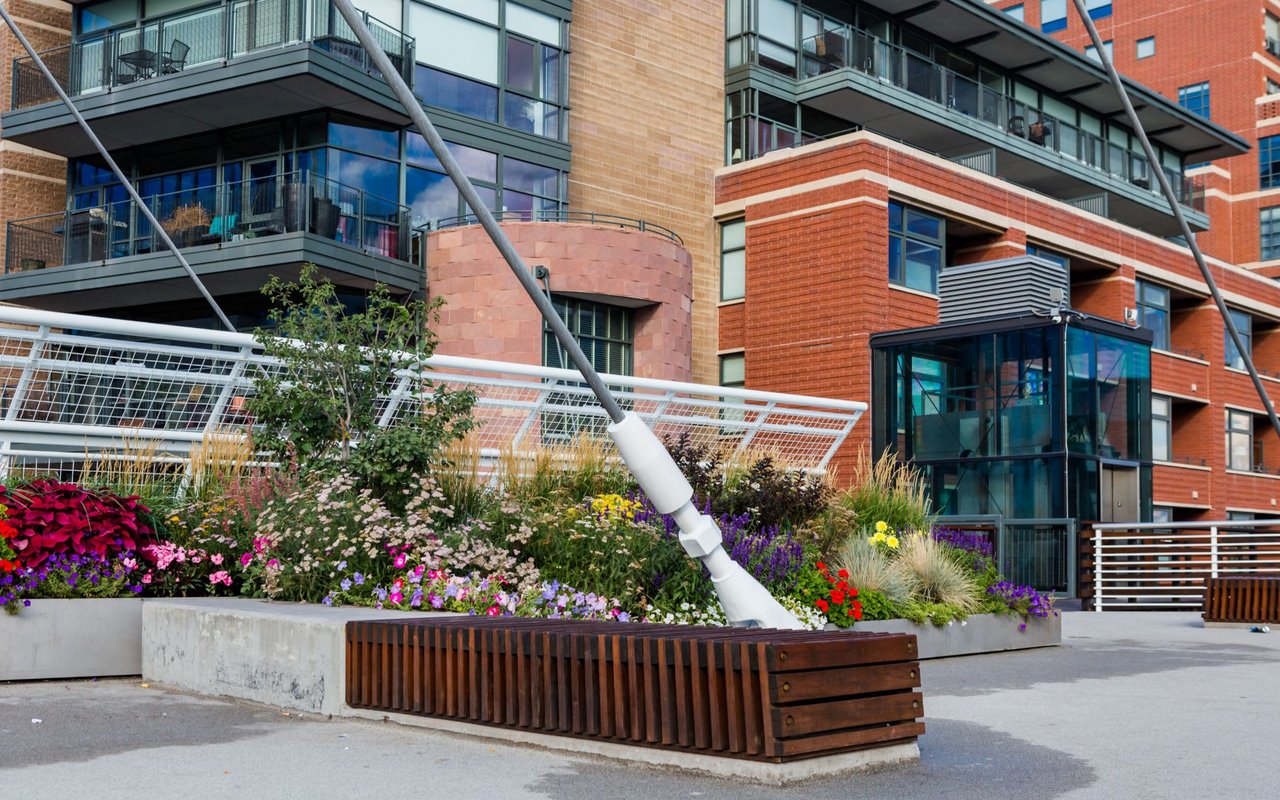
Modern builds and infill homes are typically 2000s to present. You’ll see open plans, large kitchens, en‑suite bedrooms, energy‑efficient systems, and contemporary outdoor spaces.
Lifestyle fit
If you value turnkey living with storage, garage parking, and integrated tech, modern infill checks the boxes. The open flow suits entertaining and everyday efficiency.
Maintenance priorities
- Near‑term maintenance is usually lighter thanks to new systems and materials.
- Always verify builder quality and any active component warranties.
Resale signals
Newer homes often command a premium where buyers prioritize modern layouts and finishes. On blocks where continuity of historic streetscape is part of the appeal, out‑of‑scale infill can face resistance and appraised value questions. Local comparables on your block matter.
Style and price tiers in Berkeley
- Entry: Smaller or unaltered bungalows that need updates.
- Mid: Renovated bungalows, smaller Tudors, and modest Denver Squares with modernized kitchens and baths.
- Upper: Large Denver Squares, fully renovated Tudors, and high‑end modern infill with premium amenities.
Across the board, buyers value updated kitchens and baths, permitted finished square footage, strong mechanical and electrical systems, and lot potential such as ADUs. Character plus comfort is a winning formula.
Renovate, sell as‑is, or trade up?
Your best move depends on your current style, lot, and goals. Use these guidelines to frame decisions.
If you own a bungalow
- Renovate and hold if the lot is modest and comps reward preserved character. Focus on HVAC, insulation, kitchen and bath updates, and tasteful restoration.
- Consider selling as‑is if builders or end users are valuing lots highly for infill.
- Trade up if you need more space or a different layout. Many owners step into a Denver Square or newer infill.
If you own a Tudor
- Renovate with a preservation mindset. Keep the facade and key features, while opening the kitchen and refreshing systems for comfort.
- Sell as‑is if the scope to reach neighborhood standards would be complex or costly for you, and let a buyer with a renovation plan take it on.
If you own a Denver Square
- Invest in basement finishing, kitchen and bath expansions, and full system updates. The larger form can absorb improvements well.
- Consider adding an ADU where zoning allows to increase value and flexibility.
- Trade up only if you want a different lifestyle, such as an open modern plan.
If you own a modern or infill home
- Focus on light refreshes as systems age out of warranty or styles change.
- Sell as‑is when targeting buyers who want turnkey living.
ADUs, zoning, and ROI basics
Denver has expanded ADU allowances and relaxed some infill standards, which can increase lot value and flexibility. In Berkeley, that can mean a small historic house on a deep lot is worth more than its condition suggests because of development options. Before you plan an ADU or addition, check your specific lot’s current zoning and process. Historic overlays or landmark considerations can influence exterior changes and timelines. Energy upgrades such as insulation and heat pumps may qualify for periodic incentives, helping your budget while improving comfort.
What buyers look for across styles
While buyer preferences vary, a few themes stand out:
- Up-to-date systems. HVAC, electrical, and plumbing in good order reduce inspection friction and operating costs.
- Functional kitchens and primary baths. Modern flow and finishes carry heavy weight in perceived value.
- Energy comfort. Insulation, quality windows, and airtightness matter, especially in older homes.
- Preserved character where it exists. Original floors, millwork, and exterior details increase appeal in period homes.
- Permitted living area. Finished basements or thoughtful additions that add legal square footage help justify price.
Inspection focus by style
- Bungalow: Roof structure, porch framing, drainage and grade, basement moisture, original wiring, and window condition.
- Tudor: Stucco or masonry flashing, roof and wall intersections, chimney health, potential moisture at decorative timbers, attic ventilation.
- Denver Square: Foundation and basement, original mechanicals and ductwork potential, roof and gutter capacity, stairway safety.
- Modern/infill: Builder warranties, HVAC installation quality, roof deck waterproofing, grading and drainage around the home.
High‑ROI project priorities
- Systems first. Address HVAC, electrical, and plumbing for comfort and clean inspections.
- Kitchen and primary bath updates. These spaces drive buyer decisions.
- Energy upgrades. Insulation, windows, and sealing improve comfort and lower operating costs.
- Character restoration. Refinished floors and preserved millwork raise perceived value in period homes.
- Added living area or ADU. Basements, additions, or ADUs can materially increase value when permitted and executed well.
Seller prep checklists by style
Use these quick lists to focus your time and budget before you list.
Bungalow checklist
- Service HVAC; address any knob‑and‑tube wiring.
- Refresh kitchen with modern function while keeping trim and flooring.
- Repair porch and improve curb appeal; tune landscaping for the porch‑to‑street connection.
- Seal basement and improve insulation; consider energy‑efficient window solutions.
Tudor checklist
- Inspect stucco and masonry; repair flashing and chimney.
- Open kitchen selectively with proper structural support; modernize baths.
- Restore original windows where feasible; upgrade for efficiency with storms or high‑quality replacements.
- Highlight built‑ins and arches with simple, cohesive finishes.
Denver Square checklist
- Upgrade HVAC and electrical capacity to suit a larger home.
- Modernize kitchen and primary suite; plan for basement finishing where appropriate.
- Ensure roof and gutters are sized and functioning well.
- Showcase ceiling height and room scale with staging that fits the proportions.
Modern/infill checklist
- Verify and organize builder warranties and service records.
- Refresh paint and lighting to current tastes.
- Tune hardscape and outdoor spaces to emphasize turnkey living.
- Pre‑inspect roof decks and waterproofing to avoid surprises.
Making your Berkeley plan
If you’re deciding whether to renovate, hold, or trade up, start with your lifestyle needs and your lot’s potential. Then prioritize updates that blend character with comfort and focus on what buyers expect in this neighborhood: solid systems, functional layouts, energy comfort, and tasteful finishes. Quality matters more than quantity, especially at the higher end of each style’s price tier.
You do not need to solve this alone. A neighborhood‑savvy advisor can read block‑by‑block comps, design a project plan with contractors, and position your home to outperform the market. If you’re buying, you can lean on guidance to match your lifestyle to the right style and street.
Ready to map your best move in Berkeley? Reach out to Kimber Ward for a data‑informed pricing strategy, curated marketing, and hands‑on coordination that gets results. Start with a conversation and a free valuation today with Kimber Ward.
FAQs
What makes Berkeley home style a key value driver?
- Style affects layout, maintenance needs, energy comfort, and how buyers respond to your listing, which all influence price and days on market.
How do bungalows compare to modern infill on upkeep and resale?
- Bungalows often need energy and systems updates but resell well when character is preserved, while modern infill offers lower near‑term maintenance and a premium for turnkey features.
Are ADUs allowed in Berkeley, and do they add value?
- Denver has expanded ADU allowances in many areas; when permitted on a specific lot, an ADU can increase flexibility and overall property value.
What upgrades add the most value before selling a Denver Square?
- Modern kitchens and baths, full system updates, and a well‑finished basement typically produce strong returns when aligned with local comps.
Do modern homes reduce the value of nearby historic homes?
- It depends on block‑level buyer preferences and appraisals; tasteful infill can do well, but out‑of‑scale builds may face resistance and valuation challenges.
Is finishing a basement in Berkeley usually worthwhile?
- Often yes, especially in Denver Squares, if the work is permitted and adds functional, comfortable living space that aligns with neighborhood expectations.