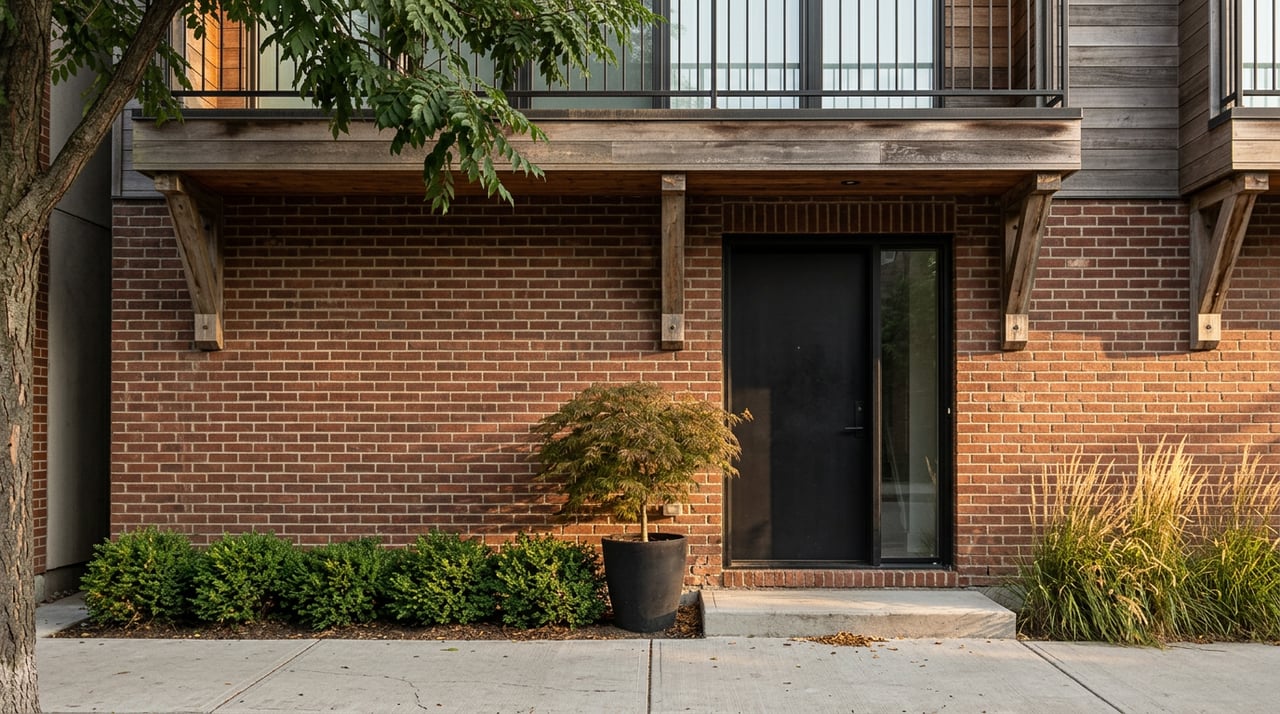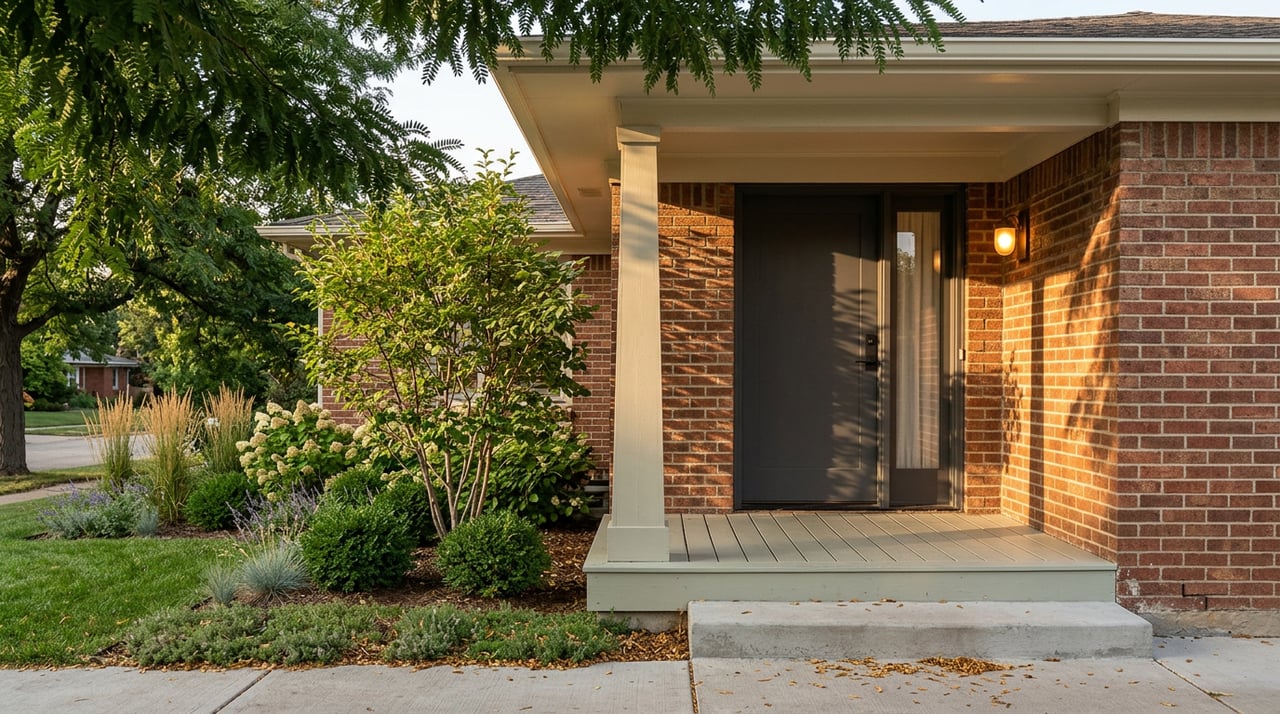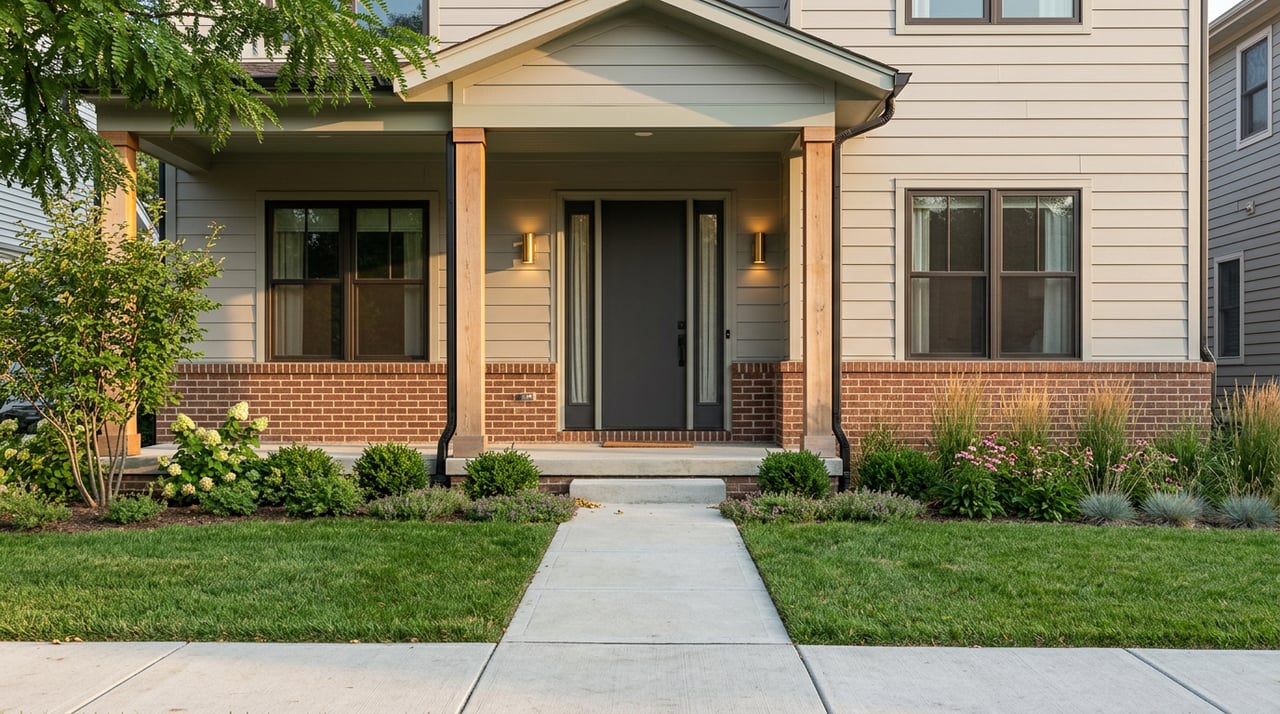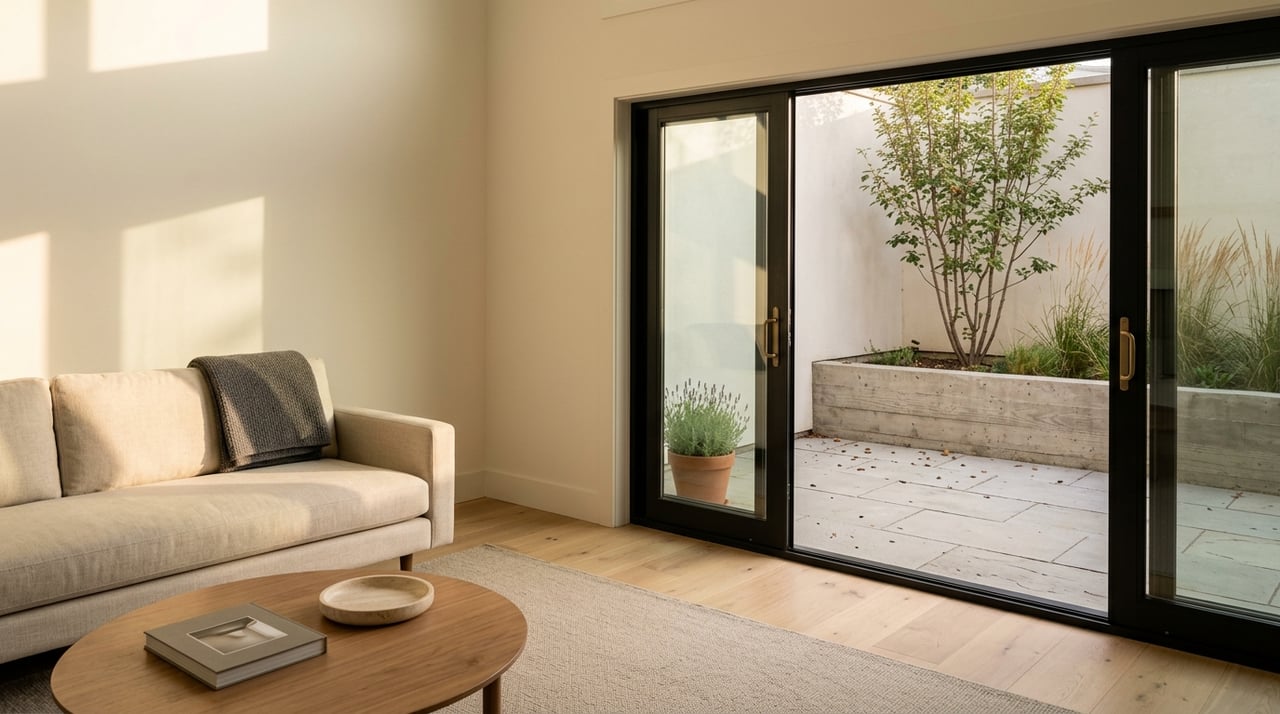
Mid-century modern homes weren’t designed to follow trends — they were designed to live well. Built primarily between the mid-1940s and late-1960s, these homes emphasized clean lines, functionality, natural light, and a strong connection to the outdoors. That philosophy still resonates today, which is why mid-century homes remain some of the most desirable properties across the Denver metro area.
Denver experienced significant growth after World War II, aligning perfectly with the rise of mid-century modern design. The result is a city where this architectural style isn’t limited to one area — it appears throughout Denver, with certain neighborhoods offering a higher concentration and stronger preservation of the style.
What Defines True Mid-Century Modern Architecture?
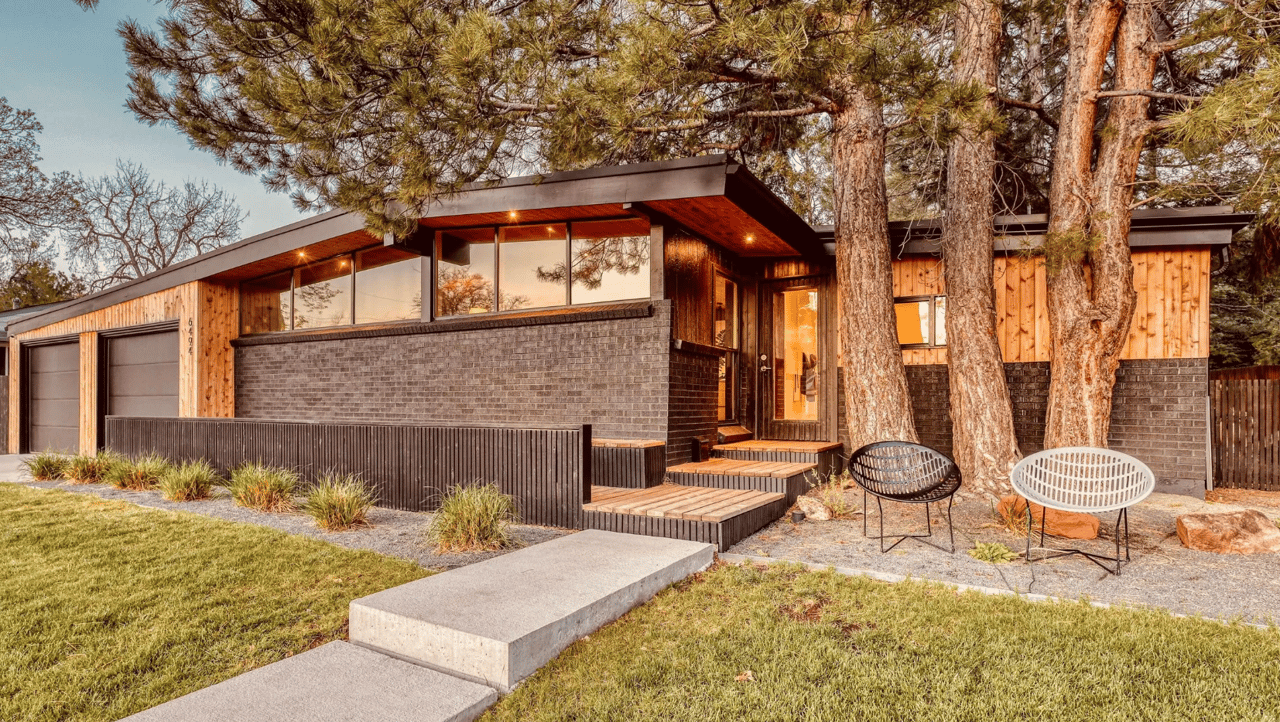
Authentic mid-century modern homes share a consistent architectural language, even though details may vary by builder or neighborhood:
-
Low-pitched or flat rooflines, often with wide overhangs
-
Strong horizontal emphasis, grounding the home to the landscape
-
Open and flowing floor plans, minimizing wasted space
-
Large expanses of glass, prioritizing light and views
-
Minimal ornamentation, letting form and materials lead
-
Design rooted in function, not excess
These homes were never meant to feel formal or over-designed. Instead, they were practical, intentional, and human-scaled — qualities that continue to appeal to modern buyers.
Another hallmark of mid-century modern design is the clerestory window. Clerestory windows are narrow, horizontal windows placed high on a wall, often just below the roofline. Their purpose is to:
-
Bring in abundant natural light
-
Maintain privacy
-
Emphasize horizontal architectural lines
-
Create a sense of openness without sacrificing wall space
In mid-century homes, clerestory windows are often used in living rooms, hallways, or bedrooms to flood interiors with daylight while preserving clean, uninterrupted design lines.
Landscaping as Architecture, Not Decoration
Mid-century modern homes were designed with the landscape as an extension of the architecture, not an afterthought.
Typical features include:
-
Simple, open front yards rather than formal gardens
-
Backyard-oriented outdoor living spaces
-
Low-profile or native plantings that don’t compete visually with the home
-
Patios positioned directly off main living areas
In Denver’s climate, this approach maximizes sunlight, privacy, and livability — reinforcing the seamless indoor-outdoor flow these homes are known for.
Mid-Century Homes Throughout Denver
Mid-century homes can be found across many Denver neighborhoods, often mixed into areas with other architectural styles. However, certain neighborhoods stand out for their higher concentration of mid-century homes and cohesive planning, making them particularly appealing to buyers who value architectural consistency.
These neighborhoods weren’t accidental — they were thoughtfully planned communities that embraced modern design principles at scale.
Krisana Park: A Thoughtfully Planned Mid-Century Community
Krisana Park is one of Denver’s most recognized mid-century neighborhoods, developed primarily in the 1950s. While the homes were not designed by a single architect, the neighborhood was developed with a cohesive vision by the Krisana Corporation, resulting in consistent architectural themes and floor plan styles.
Homes in Krisana Park typically feature:
-
Classic mid-century ranch layouts
-
Strong indoor-outdoor connections
-
Large windows and clerestory elements
-
Clean lines and restrained design
What truly distinguishes Krisana Park today is its Conservation Overlay District, which exists to preserve the neighborhood’s original mid-century character. This overlay encourages renovations and additions that respect the architectural intent rather than replace it — helping maintain the neighborhood’s integrity over time.
Arapahoe Acres: Nationally Significant Mid-Century Design
Often associated with Denver’s mid-century story, Arapahoe Acres is technically located in Englewood, just south of Denver. It holds national significance as one of the first postwar modern residential suburbs in the United States.
Designed in the early 1950s by architects Eugene Sternberg and Eugene Groves, Arapahoe Acres was later listed on the National Register of Historic Places.
Homes here showcase a purer expression of modernism, including:
-
Flat and low-pitched roofs
-
Clerestory windows
-
Geometric forms
-
Strong emphasis on efficiency and function
Other Denver-Area Mid-Century Neighborhoods
In addition to Krisana Park and Arapahoe Acres, other neighborhoods with notable mid-century concentrations include:
-
Virginia Village
-
Southmoor Park
-
Harvey Park
Each reflects the same mid-century principles — livability, light, and thoughtful planning — while offering its own character.
Why Mid-Century Modern Homes Continue to Endure
Mid-century homes continue to hold their value because they were designed around how people actually live. The layouts feel intuitive, the light is intentional, and the connection to outdoor space feels natural rather than forced.
For buyers who appreciate architecture, design integrity, and timeless appeal, mid-century modern homes offer something rare: style without trend-chasing.
About Me
I’m Kimber Ward, a trusted Denver-metro REALTOR® with Corcoran Perry & Co., known for a concierge-style approach to buying and selling homes. I specialize in strategic pricing, thoughtful marketing, and guiding clients through complex decisions with clarity and confidence.
Whether you’re buying a mid-century home, preparing one for sale, or exploring Denver’s architecturally significant neighborhoods, I provide hands-on support, local expertise, and a process tailored to your goals — not a template.
📍 Denver Metro
🌐 kimberward.com
📞 303.885.2165