If you’ve ever stepped outside in mid-summer and thought, I love Phoenix—but I might be ready for something cooler, you’re not alone. Many people start looking toward Denver for the promise of somewhat cooler summers, real seasonal change, and the ability to get from their front door to the mountains without turning it into a full production. It’s less about escaping the desert and more about wanting a different rhythm—one that includes fresh air, trail access, and a lifestyle built around being outside year-round.
According to 2025 migration data, Phoenix consistently ranks among the top cities people are moving from when relocating to Denver—a trend I see reflected regularly in my own buyer conversations. I lived in Phoenix in the early ’90s, and while the city has grown and changed significantly since then, I still have close friends there today. That past-and-present perspective gives me a clear lens into why so many people are now seriously considering Denver.
If you’re thinking about making the move, here’s what actually matters—and what you should know before you do.
Why Denver versus Phoenix?
Cooler Summers and Real Seasons (Without the Extremes)
One of the biggest draws for Phoenix buyers is climate balance. Denver summers are warm, but generally more manageable, with cooler mornings and evenings thanks to the altitude. Fall is crisp, spring is vibrant, and winter brings snow—along with a lot of sunshine.
To be clear: yes, there are cold days and snow, especially your first winter. But snow often melts quickly, and most people adjust faster than they expect with the right mindset (and layers).
Easy Access to the Mountains
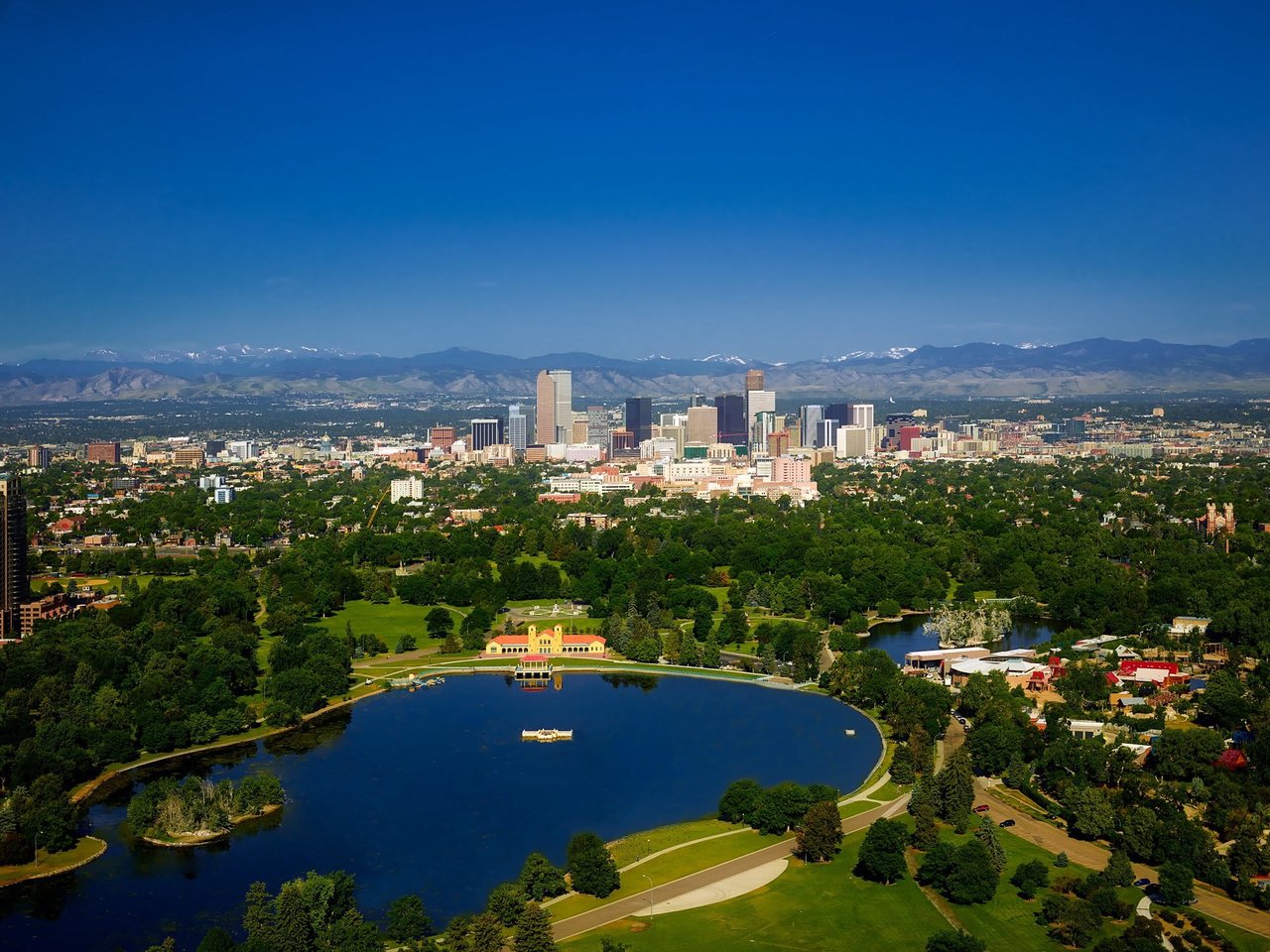
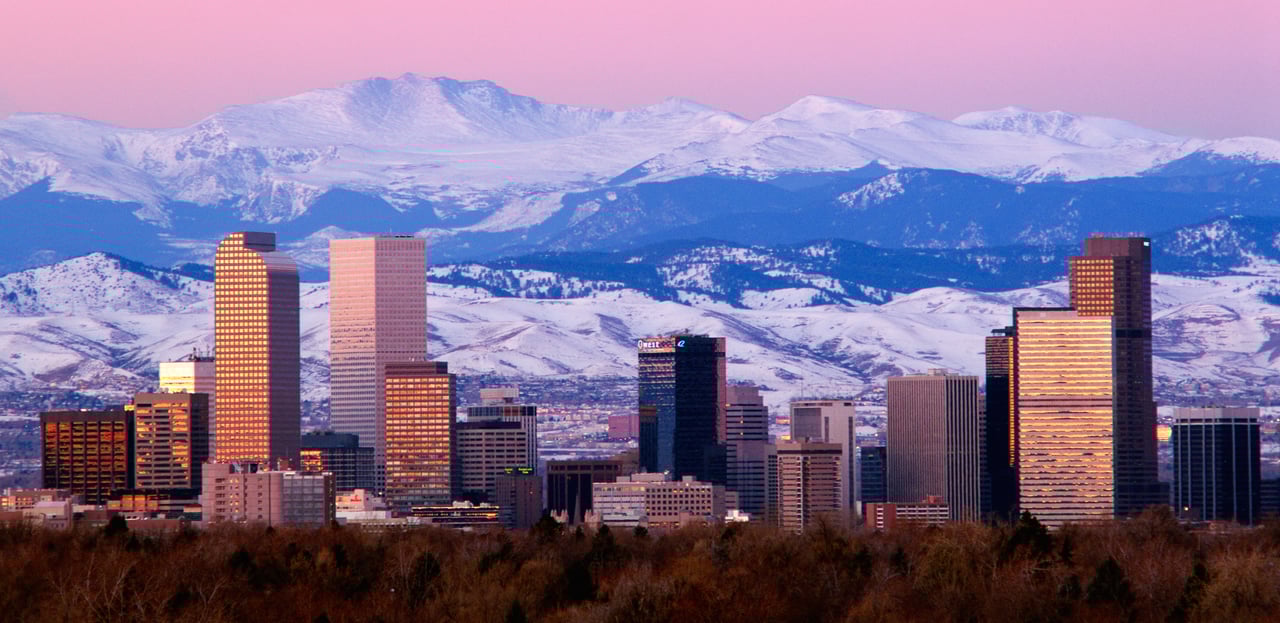
In Denver, access to the outdoors isn’t a special occasion—it’s part of daily life. Parks, trails, and bike paths are woven into neighborhoods, and the mountains are typically less than an hour away.
You don’t need to be an extreme athlete to enjoy it. The appeal is how accessible it all feels—before work, after dinner, or on a random Saturday morning.
Long-Term Livability
Many buyers relocating from Phoenix are thinking long-term. Water sustainability, heat trends, and overall livability increasingly factor into relocation decisions.
Denver benefits from a water system tied to mountain snowpack and runoff, which often feels more reassuring for buyers planning to stay put for decades, not just a few years.
A Strong, Diversified Job Market
Denver continues to attract professionals across tech, aerospace, healthcare, energy, finance, and remote-friendly roles. Nearby hubs like Boulder and Fort Collins further expand career options.
For many people, Denver offers professional opportunity without sacrificing lifestyle.
A More Grounded, Everyday Lifestyle
Phoenix often feels expansive and resort-oriented. Denver feels more rooted. The culture leans active, health-conscious, and neighborhood-driven—morning walks, local coffee shops, dogs everywhere, and time outside built into the week.
Key Differences: Phoenix vs. Denver
Is Phoenix Cheaper?
Short answer: usually a bit—but not dramatically.
Phoenix often offers newer homes, larger lots, and planned communities at lower price points. Denver homes tend to be older, smaller, and more character-driven, with a premium on walkability and neighborhood feel.
When you compare similar neighborhoods—Arcadia vs. Platt Park, Scottsdale vs. Cherry Creek—the pricing gap narrows more than most people expect.
Property Taxes
Colorado’s property taxes are among the lowest in the country, which can make a meaningful difference in monthly and long-term ownership costs.
Utilities, HOAs, and Ongoing Costs
Phoenix homeowners often experience high summer electric bills from constant air conditioning, along with higher water costs and more frequent HOA fees tied to planned communities.
Denver utilities tend to be more balanced across seasons, and many established neighborhoods don’t have HOAs at all—something Phoenix buyers often appreciate once they experience it.
Transportation and Daily Flow
Phoenix is highly car-dependent, with longer drives built into daily life. Denver still relies on cars, but many neighborhoods allow you to walk to parks, schools, coffee shops, and restaurants—changing how everyday life feels.
What You Should Know Before Moving
Denver’s Housing Market Is Nuanced
Denver is competitive, but success here isn’t about rushing—it’s about preparation, timing, and understanding neighborhood micro-markets. Strategy matters, especially for relocating buyers.
Altitude Adjustment Is Real (But Temporary)
At 5,280 feet, altitude can take some getting used to. Hydration and easing into exercise during the first few weeks make a big difference.
Winter Is Different—but Manageable
Yes, you’ll see snow. But Denver’s sunshine helps it melt quickly, and most Phoenix transplants end up appreciating the seasonal change more than they expected.
Leaning Into the Outdoors Makes the Move Worth It
You don’t have to reinvent yourself—but embracing parks, trails, and time outside enhances the Denver experience in a meaningful way.
Neighborhood Comparisons: Phoenix → Denver
Arcadia → Platt Park
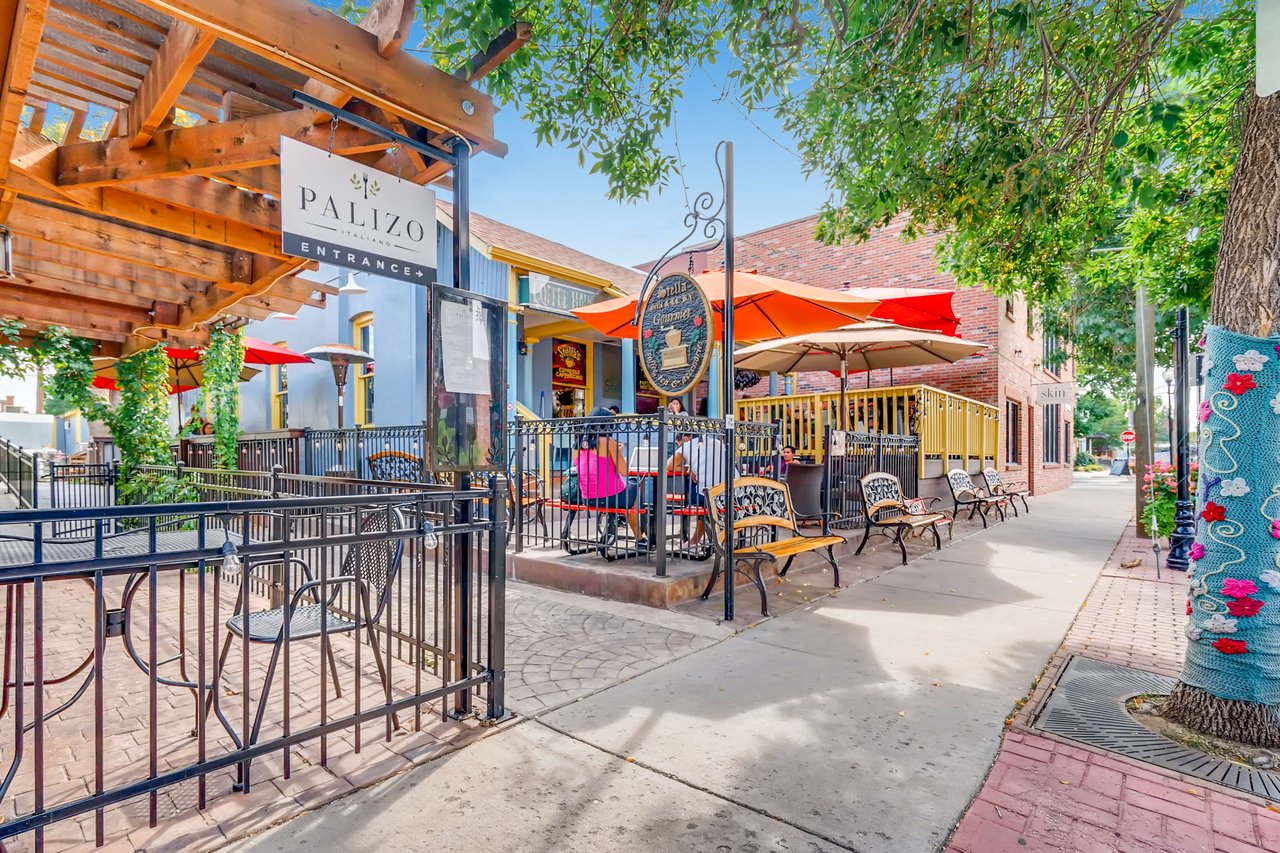
Platt Park is a classic Denver neighborhood with tree-lined streets, charming early-20th-century homes, and a strong sense of community. Centered around South Pearl Street, it offers walkable access to local restaurants, coffee shops, and a popular farmers market. It appeals to buyers who value neighborhood feel, character, and an easy, everyday lifestyle with quick access to parks and downtown.
Scottsdale → Cherry Creek
Cherry Creek is one of Denver’s most polished and established neighborhoods, known for upscale shopping, dining, and proximity to the Cherry Creek Trail. It combines luxury condos and townhomes with single-family residences, offering a refined, convenient lifestyle close to downtown. Buyers who appreciate Scottsdale’s amenities and sophistication often feel at home here.
Roosevelt Row → RiNo Art District
RiNo (River North Art District) is Denver’s creative hub—defined by street art, galleries, breweries, music venues, and converted warehouse spaces. It has an energetic, urban feel and attracts buyers looking for a more modern, social, and design-forward lifestyle. RiNo is ideal for those who want to be in the middle of Denver’s evolving arts and food scene.
Tempe → Berkeley
Berkeley blends a laid-back, community-driven vibe with independent shops, restaurants, and walkable streets near Tennyson Street. It feels lively without being hectic and appeals to buyers who want local flavor, access to parks, and a neighborhood that feels established yet constantly evolving.
Final Thoughts
Moving from Phoenix to Denver isn’t just about cost or climate—it’s about choosing a lifestyle that fits how you want to live day to day. Cooler summers, real seasons, mountain access, and long-term livability are what continue to draw Phoenix buyers to Denver.
I’m Kimber Ward, a Denver-based Realtor working with buyers, sellers, and those relocating from out of state. I take a highly strategic, concierge-style approach, focusing on preparation, neighborhood nuance, and timing—helping clients understand not just what to buy or sell, but why, where, and when. Having lived in Phoenix myself and maintained close ties there, I understand both sides of the decision. My goal is to make complex moves feel thoughtful, informed, and well-executed, so clients feel confident not just at closing, but long after.
If you’re thinking about a move from Phoenix to Denver—or just starting to explore what that could look like—I’m always happy to be a resource. A quick call, a walk-through of neighborhoods, or even a casual conversation to talk through timing and strategy all count.