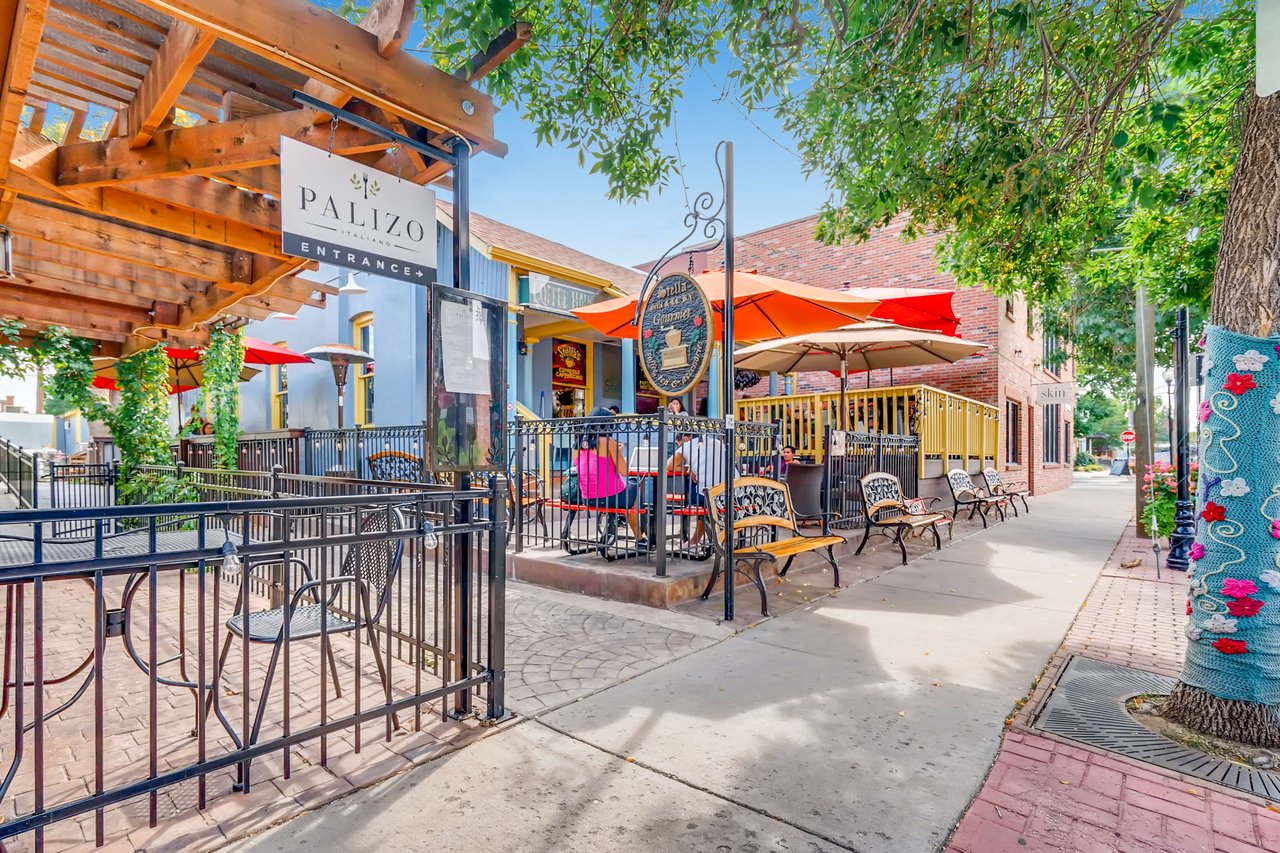
Shopping in Cherry Creek and noticing many homes priced above the usual mortgage limits? You are not alone. In this neighborhood, it is common for buyers to explore jumbo financing. This quick guide explains what counts as a jumbo loan, how rates and down payments compare, what lenders expect, and how to set up your offer for success. Let’s dive in.
What is a jumbo loan
A jumbo loan is any mortgage that exceeds the conforming loan limit set by the Federal Housing Finance Agency. These loans are not purchased by Fannie Mae or Freddie Mac, so private lenders set pricing and rules. For 2024, the baseline one‑unit conforming limit is 766,550, and high‑cost counties can go up to 1,149,825. You should always confirm the current limit for Denver County on the FHFA county table because that number determines whether your loan is jumbo or not. You can check the latest county limits on the FHFA’s conforming loan limits page.
- Reference: Review the FHFA’s county-by-county limits at the FHFA conforming loan limits page.
Cherry Creek price context
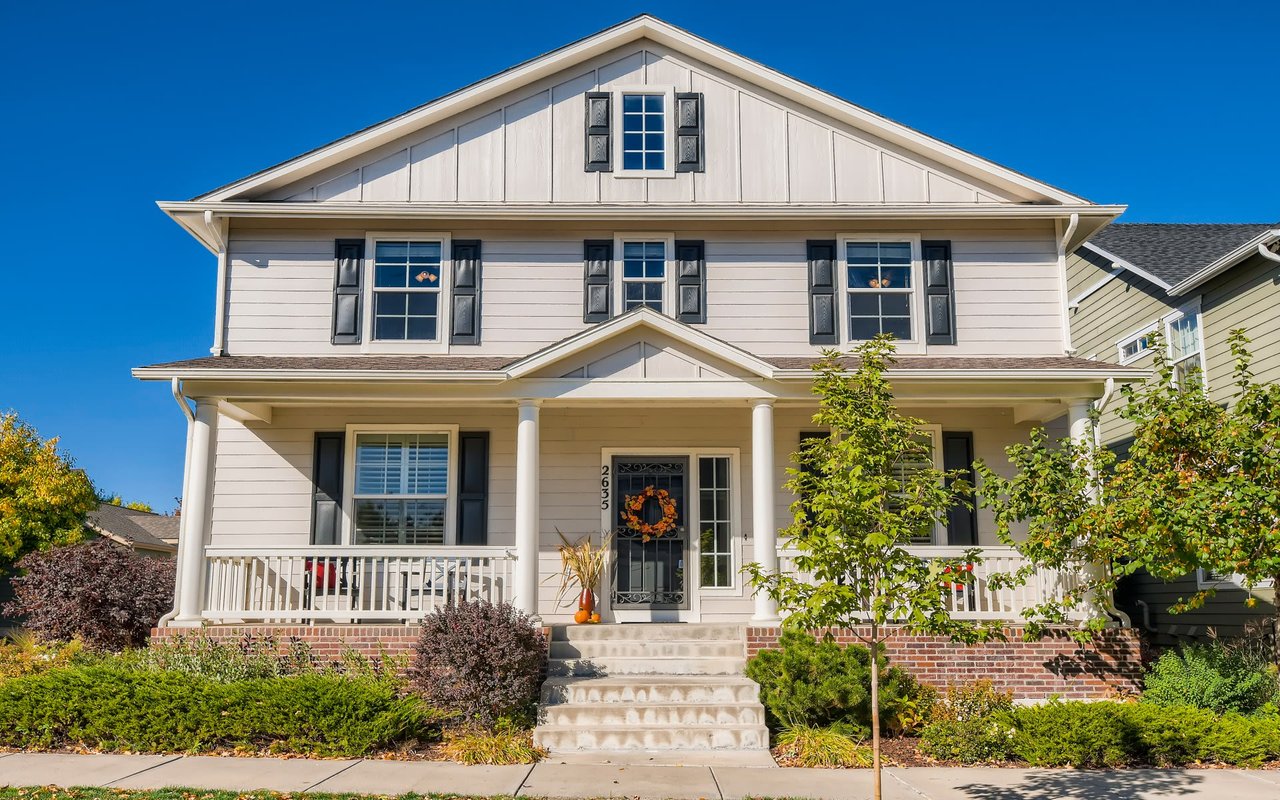
Cherry Creek includes luxury condos, townhomes, and single-family homes that often price above typical conforming thresholds. This is why many buyers here use jumbo loans or structure their down payment to stay under the limit. For current neighborhood pricing, check local market reports from the Denver Metro Association of REALTORS®. This helps you see when a purchase crosses into jumbo territory.
Two quick examples
- If the applicable conforming limit is 766,550 and you buy at 900,000 with 20% down, your loan would be 720,000, which stays conforming.
- If the same limit applies and you buy at 1,200,000 with 20% down, your loan would be 960,000, which becomes a jumbo.
Rates: what to expect
Jumbo rates are set by private lenders. They can be slightly higher than conforming rates, or sometimes quite close, depending on market conditions and lender appetite. Your credit score, loan-to-value ratio, property type, and the lender you choose all influence pricing. Review overall rate trends using the Freddie Mac Primary Mortgage Market Survey, and keep in mind that spreads shift with the market, which is why live quotes matter. The Mortgage Bankers Association also tracks industry trends that affect jumbo pricing.
Down payment and LTV
Many jumbo programs expect at least 20% down, especially for straightforward, well-documented borrowers. Some lenders may allow 10% to 15% down for very strong credit profiles, while others may require 25% to 30% on higher loan amounts or certain property types. As a rule, the lower your loan-to-value, the better your pricing and the smoother the approval.
Credit, DTI, and reserves
Jumbo lenders often look for higher credit scores than conforming programs. Typical minimums are in the 700 to 740 range, and the best pricing tends to start at 740 or higher. Lenders may prefer debt-to-income ratios at or below 43%, though some will allow higher with strong compensating factors. Reserve requirements are also stricter. Expect to document 6 to 12 months of full housing payments after closing, and more for higher loan amounts or investment properties.
Documentation and appraisals
Full documentation is standard. Plan to provide two years of tax returns, W‑2s or 1099s, recent pay stubs, and several months of bank and investment statements to verify assets and reserves. If self‑employed, be ready for business returns, year-to-date financials, and possibly more detail to show income stability. Appraisals for high-value or unique homes can take longer and may require additional reviews. For consumer-friendly guidance on paperwork and shopping, visit the CFPB’s Owning a Home resources.
Loan products to compare
- Conventional jumbo from national lenders: Predictable guidelines and pricing for well-qualified borrowers.
- Portfolio jumbo from community banks or credit unions: More flexible on income or property type since they keep loans on their own books.
- Non‑QM options: Useful for self‑employed or complex income; rates and fees are typically higher.
- Adjustable-rate jumbos: Often lower initial rates for 5, 7, or 10 years; good if you plan to sell or refinance within that time frame.
- Bridge loans or HELOCs: Can help you buy before selling another home; usually higher short-term costs.
- Piggyback structures: Less common today but sometimes used. For example, 80% first mortgage, 10% second, and 10% down, subject to lender availability and terms.
Closing costs and insurance
Many percentage-based fees are similar to conforming loans, but the total dollars rise with the loan size. Appraisals for luxury property can cost more and take extra time. Title companies may require additional endorsements, and homeowners insurance premiums can be higher for high-value homes. Plan for a larger escrow deposit for taxes and insurance at closing.
Step-by-step jumbo plan
- Step 1: Confirm the Denver County conforming limit on the FHFA county table.
- Step 2: Assemble documents early, including two years of tax returns, W‑2s or 1099s, recent pay stubs, bank and investment statements, and explanations for large deposits.
- Step 3: Check your credit and pay down debts to improve your debt-to-income ratio.
- Step 4: Shop more than one lender. Compare a national jumbo lender with a local portfolio lender, and get written quotes for rate, fees, and reserves.
- Step 5: Choose a loan type that fits your plan. Consider fixed vs ARM and how your down payment changes whether the loan is jumbo or conforming.
- Step 6: Build appraisal timelines into your offer strategy and be ready to respond to value questions with data.
- Step 7: Verify cash-to-close and required reserves so there are no surprises during underwriting.
Quick scenario check
- Buying at 1,050,000 with 20% down equals an 840,000 loan. If the county limit is the 2024 baseline 766,550, that is a jumbo.
- Buying at 900,000 with 25% down equals a 675,000 loan. That would be under the same baseline limit and could be conforming.
Pro tips for stronger offers
- Get fully preapproved with at least one national jumbo lender and one local portfolio lender. Program flexibility, reserve rules, and pricing can vary.
- Ask each lender what changes your rate the most. Small shifts in LTV, credit score, or DTI can move pricing.
- Match your loan type to your timeline. If you plan to move or refinance within 5 to 10 years, an ARM may reduce your payment during the fixed period.
- Stay flexible on closing dates. Jumbo appraisals and underwriting can take longer, so build that into your contract strategy.
Ready to talk strategy
If you are weighing jumbo vs conforming, or want a second set of eyes on your lender quotes, you deserve a clear plan that matches your goals in Cherry Creek. From pricing strategy to lender coordination and smooth closing logistics, you can get a boutique, data-informed experience that keeps you in control. Reach out to Kimber Ward to talk through options and next steps.
FAQs
What is a jumbo loan in Denver County
- A jumbo is any mortgage that exceeds the FHFA’s conforming loan limit for the county; confirm the current Denver County limit on the FHFA conforming loan limits page.
How do jumbo rates compare to conforming rates
- Jumbo rates can be slightly higher or similar depending on market conditions and your profile; check rate trends at the Freddie Mac PMMS and get current quotes.
Can I get a jumbo with 10 percent down
- Some lenders allow 10% to 15% down for very strong borrowers, but many programs expect 20% or more, with stricter reserves and documentation.
Do jumbo loans take longer to close
- They can, due to deeper underwriting and appraisals, so allow extra time for valuation and document review when planning your contract timeline.
Do jumbo loans have PMI like conforming loans
- Standard PMI is tied to conforming programs; jumbos usually require larger down payments or lender-specific risk protections instead of typical PMI.