Trying to decide between a sleek townhome and a classic house near Platt Park? You’re not alone. This neighborhood gives you walkable streets, cafés, and access to Washington Park, which makes both options compelling. In this guide, you’ll learn how to compare costs, maintenance, parking, outdoor space, and resale potential, plus a simple framework to help you choose with confidence. Let’s dive in.
Platt Park at a glance
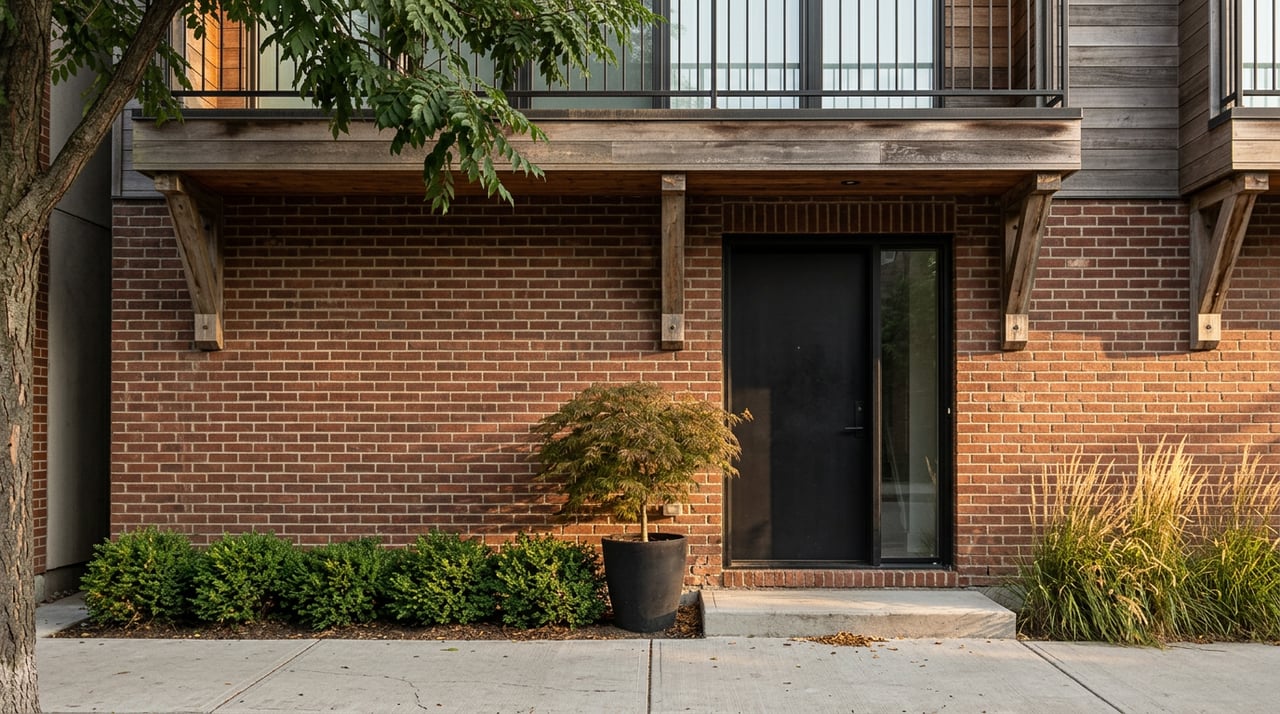
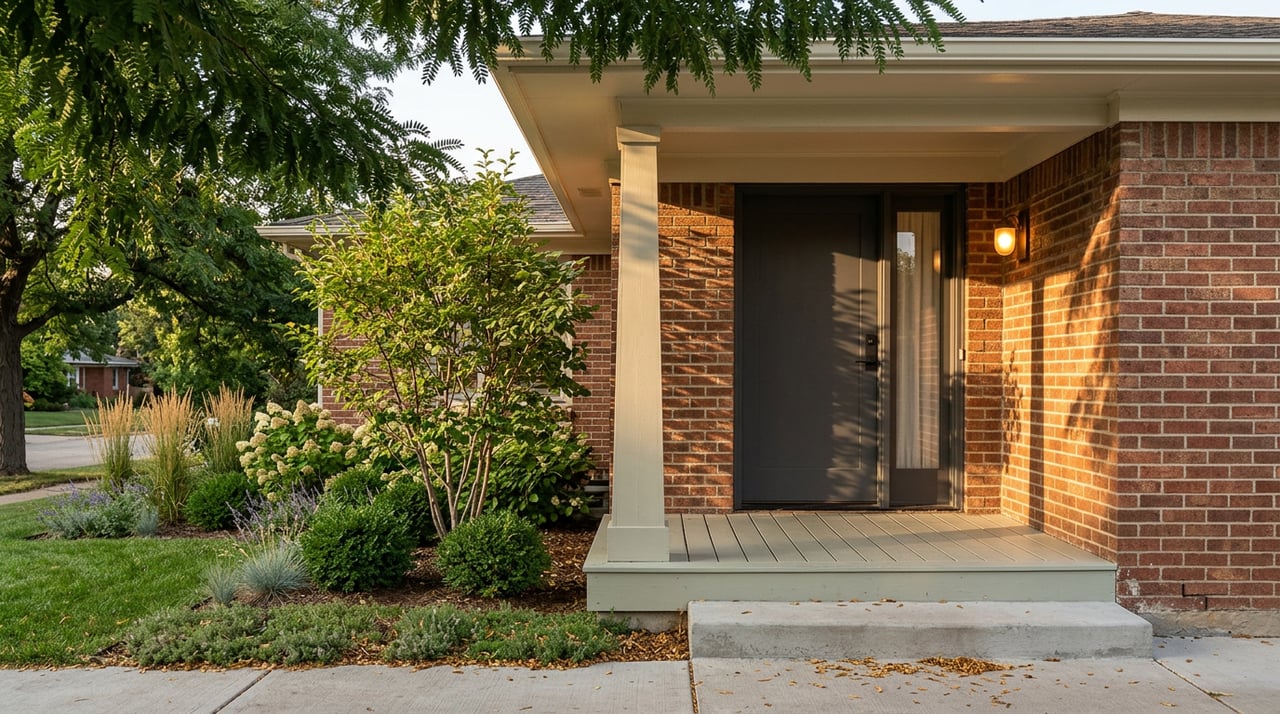
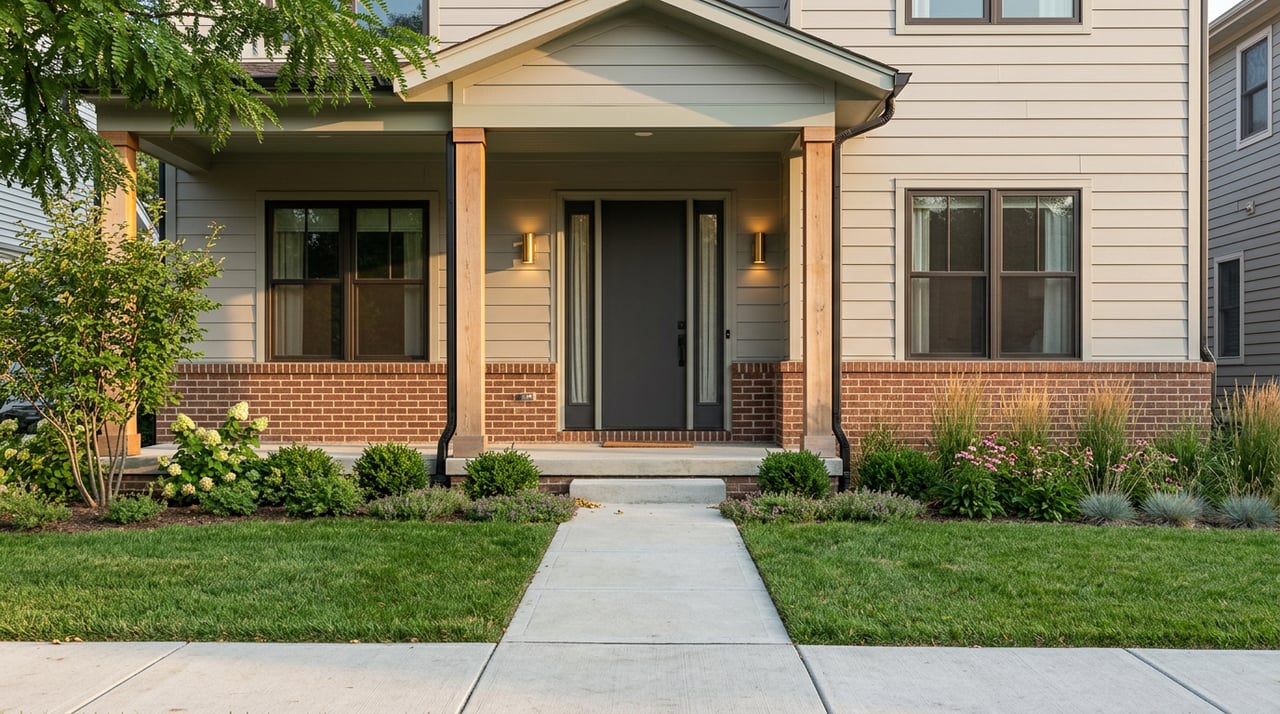
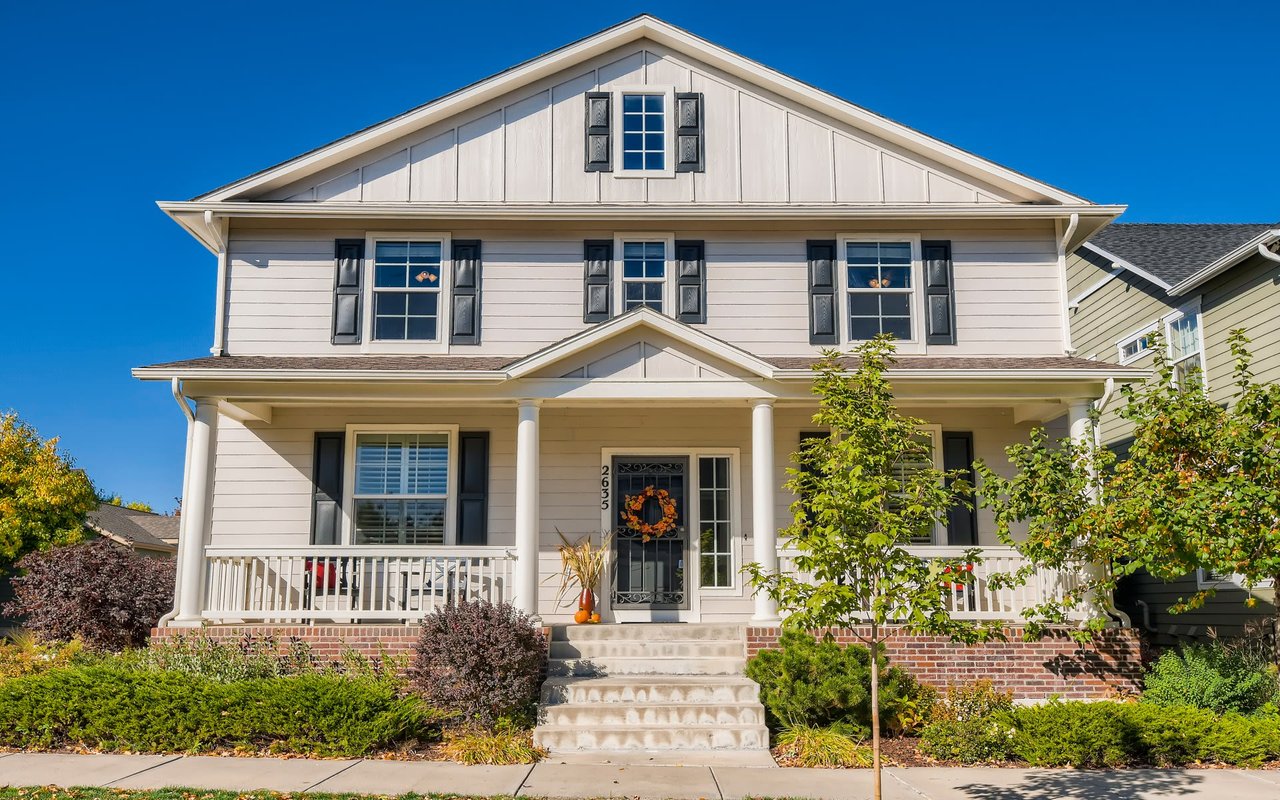
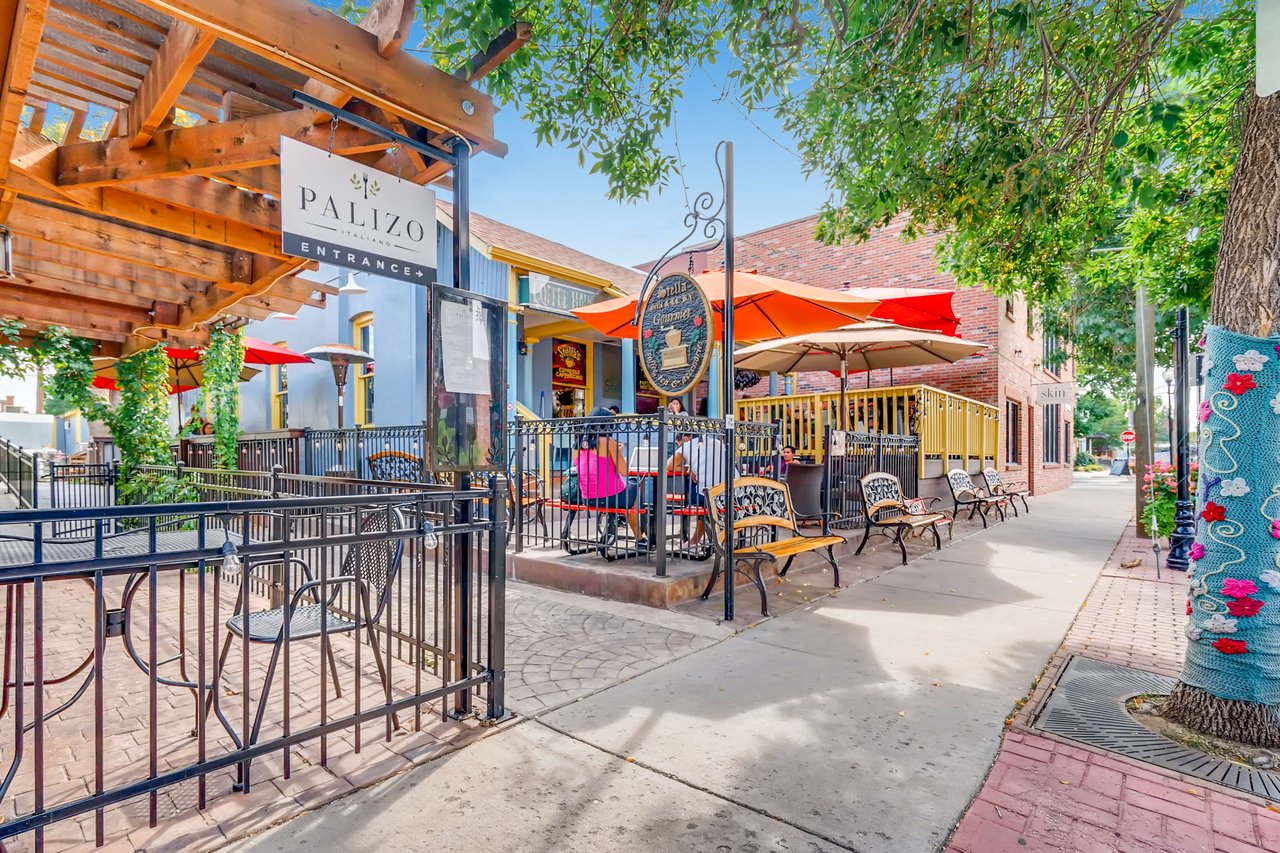
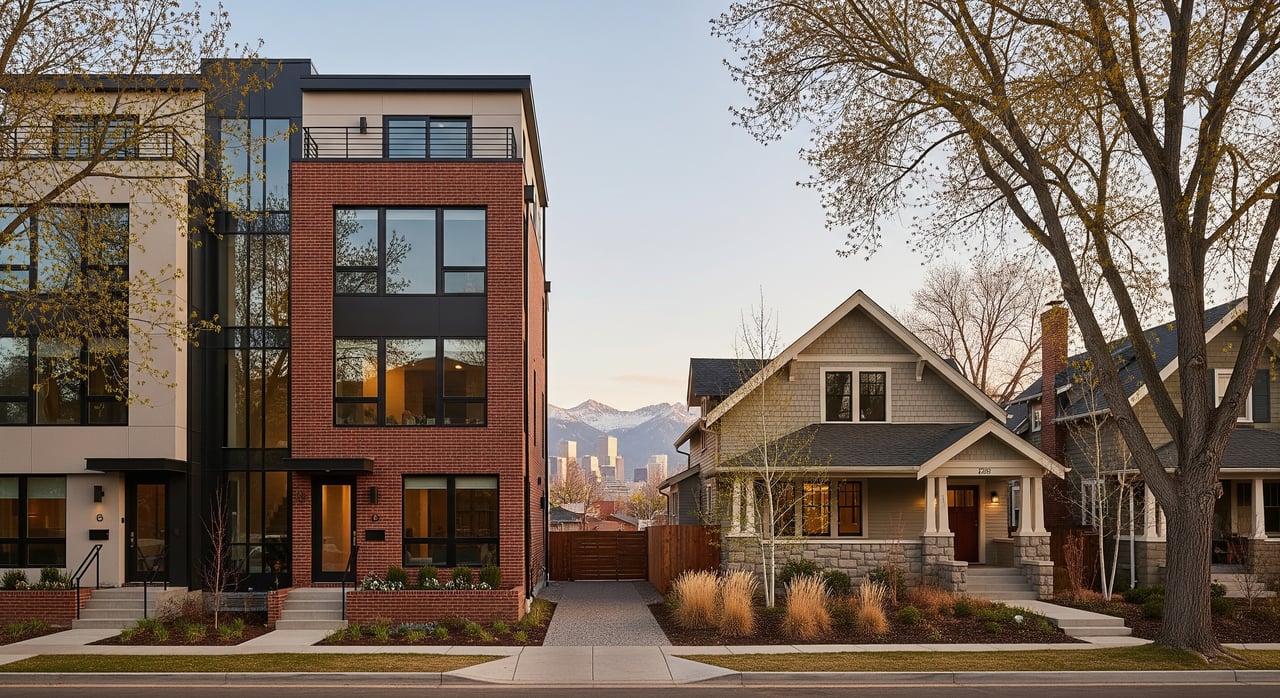
Platt Park is an established, highly walkable Denver neighborhood with tree-lined streets, a lively South Broadway corridor, and close proximity to Washington Park. The housing mix includes older single-family bungalows alongside newer infill townhomes and small condo buildings. You’ll see modern multi-story townhomes on narrower lots where older homes were replaced or subdivided.
Lifestyle is a major draw here. Many buyers prioritize short commutes, everyday walkability, and access to parks, restaurants, and neighborhood retail. Transit options and bike infrastructure add convenience, though routes and schedules should be checked if your commute is time sensitive. Parking can vary block by block, especially where infill has increased density, so it pays to evaluate each property’s setup.
Townhome vs single-family: the key trade-offs
Purchase price and resale
In many urban neighborhoods, townhomes often cost less per property than single-family homes because the land component is smaller. Price per square foot can be similar or even higher for newer townhomes with modern finishes. Single-family homes tend to benefit from land value and appeal to buyers who want yards and flexibility for future changes.
Resale is driven by different factors. Townhomes attract buyers who want a modern layout, low maintenance, and a location near shops and cafés. Single-family homes appeal to those who value outdoor space, privacy, and the ability to personalize over time. Market trends in Platt Park can shift, so plan to review recent sold comps, days on market, and any new nearby townhome construction that could affect competition.
Monthly costs: HOAs, taxes, insurance, utilities
Townhomes often carry HOA dues that can cover exterior maintenance, landscaping, trash, and snow removal. Some associations include exterior insurance and reserves, which can be a meaningful budget line. Single-family homes avoid HOA dues in most cases but may have higher total taxes and utilities depending on size and lot.
Insurance differs by property type. Townhomes commonly require a master policy carried by the association plus a personal walls-in policy. Single-family homeowners typically carry a policy that covers the structure and related risks. Utilities can be lower for a smaller or more efficient townhome, while a larger home with a yard may cost more monthly.
Before you compare options, get the numbers. Ask for the HOA fee schedule and what it covers, a recent tax bill, insurance quotes, and typical utility costs.
Maintenance and lifestyle
Townhomes shine when you want less exterior upkeep. No lawn care and HOA-managed snow removal can free up your time. If you travel often or prefer a lock-and-leave lifestyle, this can be a major plus.
Single-family homes offer control and privacy. You decide how the exterior looks, how the landscaping evolves, and what projects to tackle next, subject to local zoning and permits. If you want room to grow or the option to add structures later, single-family ownership generally gives you more paths to explore.
Build quality matters in Denver infill. Townhomes can vary in insulation, soundproofing, and details at roof and party-wall transitions. A thorough inspection focused on shared walls, rooflines, grading, and water intrusion is essential.
Outdoor space and storage
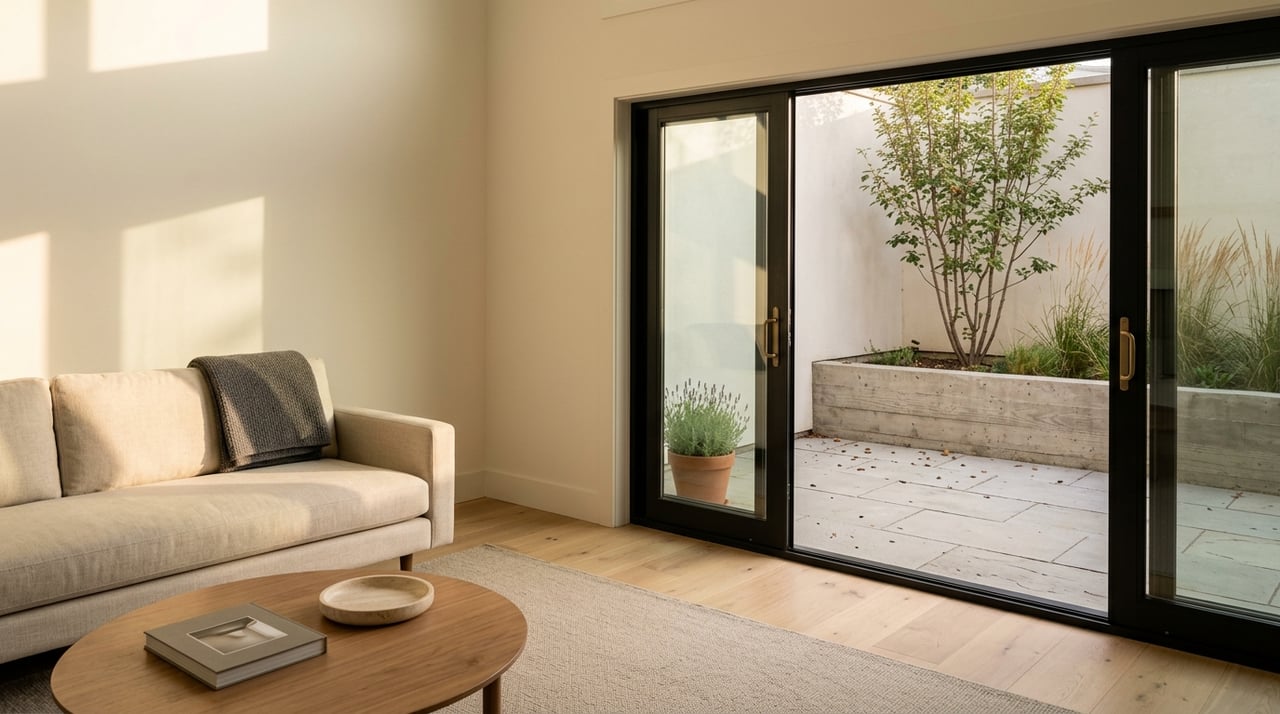
Townhomes usually offer patios, balconies, or roof decks that are ideal for low-maintenance entertaining. Storage often centers on one or two garage bays plus interior closets. This is a great fit if you value nearby amenities and prefer not to manage a large yard.
Single-family homes usually provide larger yards, room for gardens, and space for gear. Depending on zoning and permits, you might explore options like accessory structures over time. If you want a private play area or a dog run, a single-family lot typically serves that need better.
Parking and access
Parking varies across Platt Park. Newer townhomes often include a one or two-car garage, while single-family homes may have a mix of driveways, alley access, or street parking. Because some blocks are denser than others, review on-street restrictions and permit requirements at the block level. If daily parking is important to you, make it a top evaluation item.
Financing and resale nuances
Financing can differ across property types. Some attached townhomes may be evaluated by lenders in ways similar to condos, especially when shared elements and associations are involved. Others with fee simple lots might be treated more like single-family homes. Associations can have documentation requirements that affect certain loan programs.
Your future buyer pool will also differ. Townhomes tend to pull buyers who want location and ease. Single-family homes typically draw buyers who want yards and more independence. Plan ahead by discussing lending criteria early and asking about association occupancy and rental percentages if you are considering a townhome.
Due diligence in Platt Park
HOA review essentials
If you are considering a townhome, request the full HOA package early. Review CC&Rs, bylaws, rules, the current budget, and any reserve study. Read meeting minutes from the past 6 to 12 months to spot special assessments, litigation, or recurring repairs.
Pay attention to reserves and planned projects. A low reserve balance, unresolved lawsuits, or looming major repairs can change your cost picture and risk profile. Clarify what the master insurance policy covers versus the homeowner’s responsibility so your personal policy fits the exposure.
Inspection priorities
For townhomes, inspections should focus on shared systems and separations. Ask your inspector to pay special attention to roof conditions, flashing where different rooflines meet, party wall construction, and any signs of water intrusion or sound transfer. Roof decks and balconies need checks for waterproofing, drainage, and maintenance history.
For single-family homes, a thorough inspection is still key. In addition to the structure and systems, look closely at lot drainage, exterior grading, and any unpermitted work. In infill areas, converted garages or additions warrant documentation checks.
Zoning and development checks
Platt Park has seen steady infill. Review the zoning of adjacent lots and scan recent building permits near any property you are considering. City planning pages and zoning maps can help you anticipate nearby changes that could affect privacy, light, or views. If you value a certain streetscape, verify whether higher-density builds could be allowed in the surrounding blocks.
Market indicators to watch
To compare value between a townhome and a single-family home, review recent comps for each property type. Look at median sale prices, price per square foot, list-to-sale price ratios, and days on market. Inventory levels and new construction activity are also helpful signals. Your agent can pull neighborhood-specific stats from the MLS and recent broker reports.
Your decision framework
Priorities checklist
Use this quick list to clarify what matters most to you:
- How important is private outdoor space versus proximity to cafés, retail, and transit?
- How much exterior maintenance do you want to handle versus include in an HOA?
- Is long-term flexibility, like adding structures, important to your plan?
- How sensitive are you to noise and shared walls?
- What are your parking and storage needs for vehicles, bikes, and gear?
- What is your preferred financing path and are there association requirements to consider?
- What is your intended ownership horizon and resale plan?
Quick scoring exercise
Assign a 1 to 5 score to each criterion below for any property you tour. Higher numbers mean a better fit. Add them up to compare options:
- Location and walkability
- Private outdoor space
- Maintenance level
- Privacy and noise
- Parking and storage
- Total monthly cost
- Resale confidence
If two homes are close, add estimated HOA dues or maintenance costs to your monthly budget comparison. This often clarifies which property aligns with how you live day to day.
Red flags to pause on
For townhomes, be cautious with associations that have low reserves, pending special assessments, or active litigation. Investigate any unclear master insurance coverage or signs of water intrusion between units. For single-family homes, watch for major structural concerns, poor drainage on the lot, or unpermitted work.
If neighborhood records show recurring code issues, ask questions and review city documentation. It is better to slow down than to inherit a problem you did not anticipate.
Smart questions to ask
Use these questions with listing agents, HOAs, and sellers:
- What exactly do the HOA dues cover and are increases planned or approved?
- Can I review the HOA budget, reserve study, insurance declarations, and minutes?
- What are typical utility costs and which utilities are owner paid versus HOA covered?
- Are there known party-wall, drainage, sound, or neighbor issues?
- Have there been recent insurance claims on the property or association?
Next steps for touring Platt Park
- Define your top three priorities so trade-offs are clear while touring.
- Request the full HOA package early for any townhome and review it with your lender and insurance agent.
- Get pre-approved and confirm any association documentation requirements for your loan type.
- Order a thorough inspection tailored to shared-wall systems for townhomes and grading for single-family homes.
- Compare recent comps, days on market, and new construction activity for both property types in Platt Park.
- Check permit history for additions, decks, conversions, or accessory structures.
- Work with a local agent who understands Platt Park’s infill patterns and micro-market dynamics.
Buying in a neighborhood like Platt Park is about matching lifestyle with smart due diligence. If you want low maintenance and modern finishes near South Broadway, a townhome may be your best fit. If you want privacy, a yard, and long-term flexibility, a single-family home likely wins. The right answer is the one that supports how you live today and where you are headed next.
Curious how your priorities map to specific streets and buildings around Platt Park? Reach out for a neighborhood tour or take advantage of relocation hospitality to experience the area like a local. For personalized guidance and a data-informed plan, connect with Kimber Ward.
FAQs
How do HOA fees affect total monthly cost near Platt Park?
- HOA dues can cover exterior maintenance, landscaping, trash, snow removal, and sometimes exterior insurance and reserves, so they may offset some costs while increasing your monthly payment. Always review the current budget, reserves, and coverage.
What inspections are most important for Platt Park townhomes?
- Focus on party walls, roof and flashing at roofline transitions, grading and drainage, sound transmission, and roof deck waterproofing and drainage. Ask for maintenance history and any repair documentation.
How does parking differ between townhomes and houses in Platt Park?
- Many newer townhomes include a one or two-car garage, while single-family homes vary widely with garages, driveways, alleys, or street parking. Check block-level rules and permit programs before you decide.
Will a single-family home hold value better than a townhome here?
- Resale depends on land, finishes, location, and market timing. Single-family homes benefit from land value, while townhomes appeal to buyers seeking low maintenance and modern layouts. Review recent comps for each property type.
What financing issues should I expect with attached homes?
- Some attached townhomes can have condo-like documentation requirements for certain loans. Confirm association documents and eligibility with your lender early, and ask about occupancy and rental percentages.