What exactly do your HOA dues cover in a LoHi condo, and what will you still pay out of pocket each month? If you are comparing buildings across Highlands and LoHi, those answers can change a lot depending on age, amenities, and how the association is managed. You want clarity before you fall in love with a rooftop deck or a great view. In this guide, you will learn what HOAs typically cover, what they exclude, how insurance and reserves work, and the key documents to review so you can buy with confidence. Let’s dive in.
How HOA coverage works in LoHi
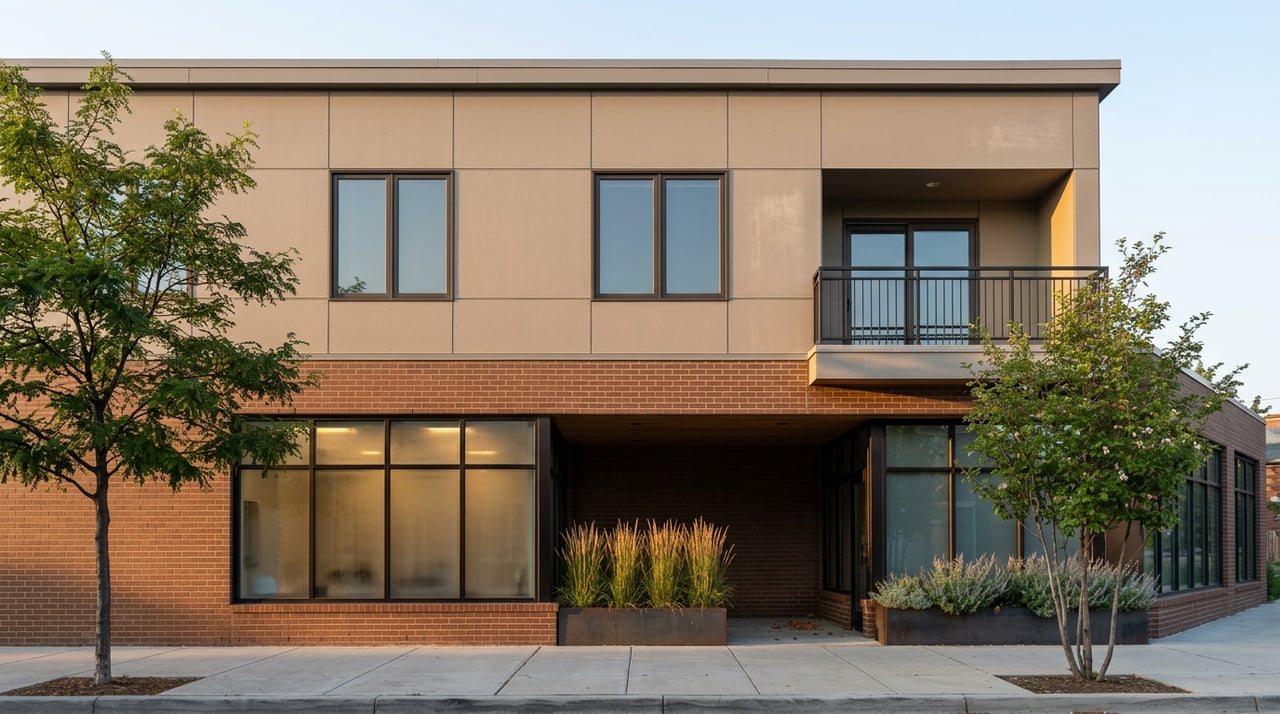
LoHi and the Highlands have a mix of vintage conversions, boutique low-rise buildings, and newer luxury developments. That mix is why HOA fees and coverage vary so much from one address to the next. Smaller conversions often keep dues lower by covering the basics and skipping amenities. Newer luxury buildings tend to charge more but include more services, staff, and central utilities.
Colorado’s condo framework sits under the Colorado Common Interest Ownership Act (CCIOA). In practice, you should receive a resale or HOA document package that includes governing documents, budgets, insurance info, and recent meeting minutes. Use this packet to confirm coverage, rules, and the association’s financial health.
What HOAs usually cover
Coverage depends on the building’s CC&Rs and budget. Here is what is commonly included in LoHi condo associations.
Building and grounds
- Exterior and common-area maintenance like roofs, exterior painting, facade repairs, and waterproofing.
- Hallways, stairways, elevators, and fire and life-safety systems.
- Landscaping, snow removal, exterior lighting, and common-area cleaning.
- Trash and recycling service in many buildings.
Utilities and systems
- Operation and maintenance of shared systems such as elevators, central boilers or hot-water systems, and HVAC serving common areas.
- Water and sewer are often centrally metered and paid through dues in many buildings. Some buildings also include hot water or heat if centrally provided.
Amenities and services
- Rooftop decks, gyms, lounges, party rooms, bike storage, and secured entry.
- Parking garage operation and upkeep when parking is a common element.
- Professional management, bookkeeping, legal and accounting expenses, and owner portals.
Insurance and reserves
- A master insurance policy that covers common elements and, depending on the policy type, parts of unit interiors.
- Reserve contributions to fund big-ticket repairs and replacements such as roofs, elevators, and exterior envelope projects.
What HOAs usually do not cover
You will still have regular costs outside your monthly dues. Plan for these items.
Inside your unit
- Interior finishes and components like flooring, cabinets, appliances, and interior plumbing or electrical are typically your responsibility.
- Routine in-unit upkeep such as HVAC filter changes and minor plumbing repairs.
Separate utilities and taxes
- Electricity, gas, and internet or cable if separately metered.
- Property taxes and your mortgage.
Your personal insurance
- The association’s master policy does not cover your personal property or your personal liability. You will want HO-6 condo insurance to cover interior finishes, contents, loss of use, and personal liability.
Parking, storage, and exclusive-use spaces
Parking spaces, storage lockers, and balconies are often common elements assigned for your exclusive use. Who pays for what depends on your documents. Some buildings include garage maintenance in dues, while others charge separate fees for parking or storage. Rules for renting a parking space, guest parking, or adding EV charging usually require compliance with the association’s rules and may need architectural approval.
Insurance details that change your costs
Insurance is a major driver of both dues and risk. Confirm the master policy details before you waive contingencies.
Master policy types
- Bare walls coverage: Often called commercial or building coverage. It protects the structure and common areas, but not your unit’s finishes or fixtures. You will rely on your HO-6 for interior coverage.
- Walls-in coverage: Covers more of the interior components within the unit. This can reduce your out-of-pocket after a covered loss, but the policy may cost more and influence dues.
Deductibles and loss assessment
Many master policies have large deductibles that can be tens of thousands of dollars. Your association’s documents may allow the board to assess owners to cover deductibles or uninsured losses. Ask how deductibles are allocated between owners and the association. You can often add loss-assessment coverage to your HO-6 to soften this risk.
Flood and earthquake
Standard master and HO-6 policies typically exclude flood and earthquake. While most LoHi properties are not in mapped high-risk flood zones, pockets near waterways in Denver can have added flood considerations. Confirm the flood zone for your specific address and whether any additional coverage is recommended.
Reserves, assessments, and your risk
Reserve funds are the savings account for big projects. Healthy reserves reduce the chance of surprise costs. Many associations commission a reserve study to estimate future capital needs and set funding targets. Review the most recent study and ask if the board follows the plan.
Special assessments happen when reserves and the operating budget are not enough. Common causes include building envelope remediation, major mechanical failures, large insurance deductibles, or litigation. Red flags include very low reserve balances compared with recommended levels, a history of recent special assessments, and frequent dues increases.
A practical HOA document checklist
When you receive the resale packet, review the following with a professional. Use this as your comparison checklist across LoHi buildings.
- CC&Rs, declaration, and plat that define unit boundaries and common elements.
- Bylaws, Articles of Incorporation, and Rules and Regulations.
- Current operating budget and a recent budget-to-actual comparison.
- Financial statements and balance sheet showing reserve balances.
- Latest reserve study and the association’s reserve funding policy.
- Board and membership meeting minutes from the last 12 to 24 months.
- Master insurance declarations that list coverages and deductibles.
- Notices of any pending or recent special assessments and a history of assessments for the last five years.
- Details on pending litigation or claims and any related legal opinions.
- Management contract and fees if a management company is engaged.
- Delinquency report showing unpaid assessments and number of delinquent owners.
- Rental policies and current rental percentage, including short-term rental rules.
- Alteration and architectural change procedures and timelines for approvals.
- Notices about capital projects, large vendor contracts, or planned repairs.
- Parking and storage assignment records and EV charging policies.
- Reserve account statements and any restricted operating accounts.
- Unit boundary diagrams that clarify what “inside the unit” means for your building.
- Vendor warranties and maintenance logs for systems like elevators and boilers.
Smart questions to ask before you commit
Bring these questions to your agent, a Colorado real estate attorney, your lender, and your insurance broker.
- Insurance: Is the master policy bare walls or walls-in? What are the deductibles? Is ordinance and law coverage included? Any recent claims?
- Reserves: Does the funding match the reserve study’s recommendations? Is any maintenance deferred?
- Assessments: Are projects planned that may lead to owner assessments? What is the timeline and cost estimate?
- Litigation: Are there open lawsuits or claims and what is the potential financial exposure?
- Delinquencies: What is the delinquency rate? Levels above 10 to 15 percent can indicate stress.
- Rentals: What are the rental caps and short-term rental rules? How might these affect your plans or future resale?
- Financing: Is the project eligible for conventional, FHA, or VA financing if that matters to you?
LoHi buyer scenarios to consider
- Boutique conversion with lower dues: You might see basics covered like exterior maintenance, snow removal, and water and sewer. You will likely pay electricity and internet separately and carry a robust HO-6 policy since the master policy could be bare walls. Reserves may be smaller, so ask closely about the reserve study and any near-term projects.
- Newer luxury mid-rise with higher dues: Expect broader coverage like staffed entry or concierge, more amenities, and possibly central hot water or heat included. Dues are higher, but you may face fewer surprise costs if reserves are well funded and the master policy is walls-in. Still verify deductibles and recent claims.
How to compare buildings in Highlands and LoHi
- List the inclusions side by side: exterior, utilities, amenities, and services.
- Confirm the master policy type and deductible, then call your insurance agent for an HO-6 quote that fits those gaps.
- Read the last 12 to 24 months of meeting minutes to spot upcoming projects or rule changes.
- Study the reserve study and funding plan to gauge assessment risk.
- Note rental rules and current rental percentages if you may rent now or later.
Next steps
Request the full resale packet early and build time into your contract for document review. Involve a Colorado real estate attorney to interpret boundaries, insurance allocation, and litigation exposure. Ask your insurance broker to tailor your HO-6 with the right limits and loss-assessment coverage. Coordinate with your lender on project eligibility if financing matters to you. A local agent who knows LoHi’s buildings can help you spot patterns and red flags fast.
If you want a clear, side-by-side breakdown of the buildings on your shortlist, reach out to Kimber Ward. Kimber combines neighborhood expertise with a concierge approach to help you compare coverage, reserves, and rules so you can choose the condo that fits your lifestyle and budget.
FAQs
In LoHi, which utilities are usually included in HOA dues?
- Many buildings include water, sewer, and trash. Electricity, gas, and internet are often billed directly to the unit. Always confirm the resale certificate and budget notes.
What is the difference between bare walls and walls-in insurance?
- Bare walls covers the structure and common elements but not your interior finishes. Walls-in covers more inside the unit. Your HO-6 fills the gap in either case.
How worried should I be about special assessments in Highlands and LoHi?
- Assessments are possible if reserves are low, major projects are planned, or the building faces a large deductible or uninsured loss. Check the reserve study, meeting minutes, and recent assessment history.
What does an HO-6 condo policy protect for owners?
- HO-6 can cover your interior finishes, personal property, loss of use, personal liability, and optional loss-assessment coverage to help with HOA deductibles or uninsured losses.
Are short-term rentals allowed in LoHi condo buildings?
- Policies vary by building. Many buildings restrict or prohibit short-term rentals. Review CC&Rs, rules, and recent minutes to confirm current enforcement.
Who handles repairs if a pipe bursts in my unit?
- Interior repairs usually fall to the owner. If a common system failure caused the damage, the association may share responsibility. Your documents and insurance language control the allocation.